
Last updated November 21, 2026
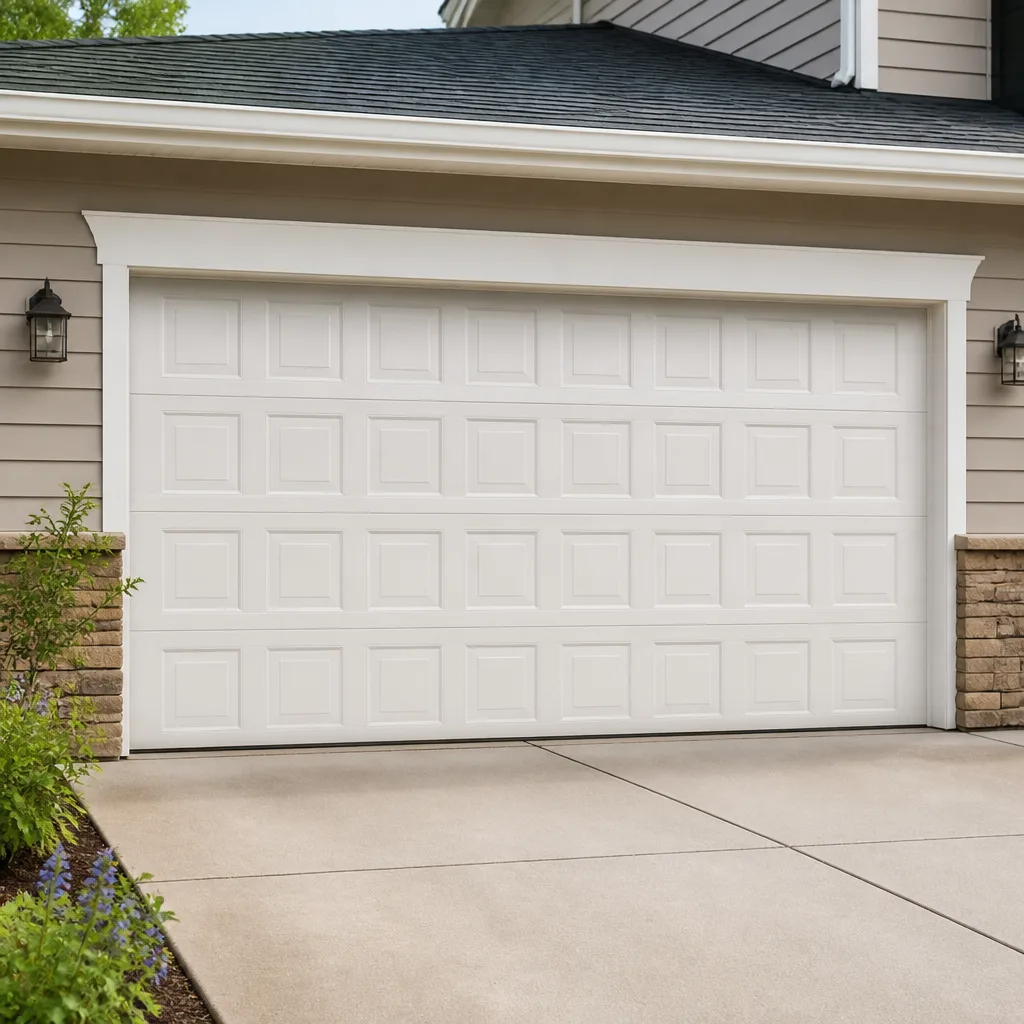 Raised-panel steel
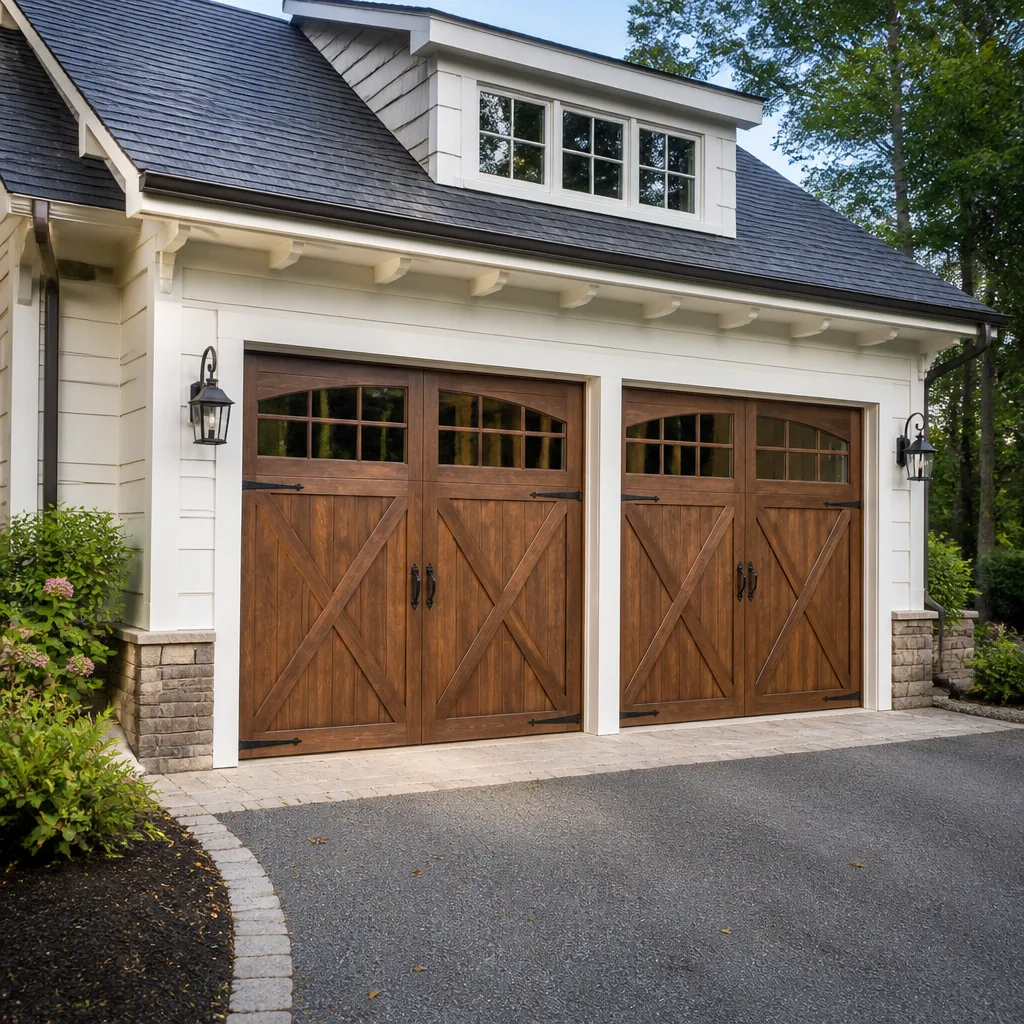 Carriage house
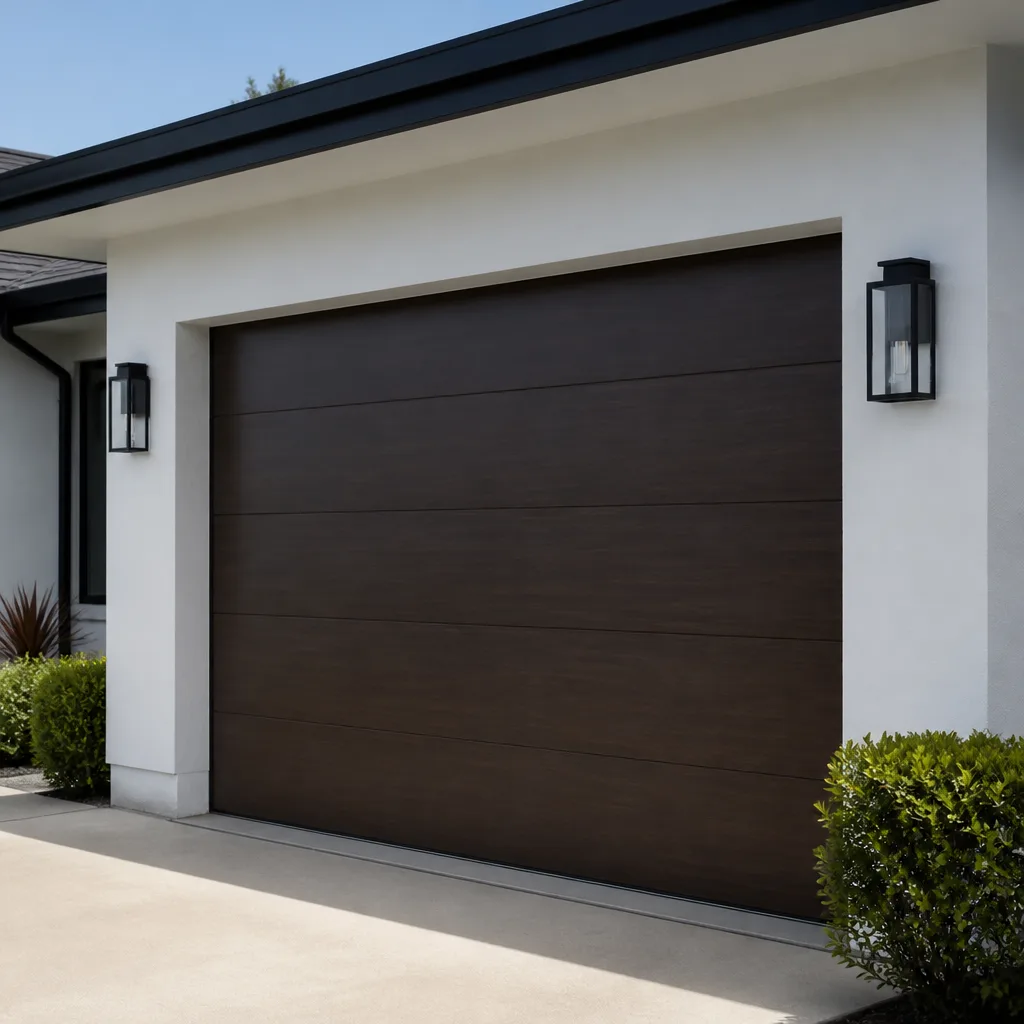 Modern flush
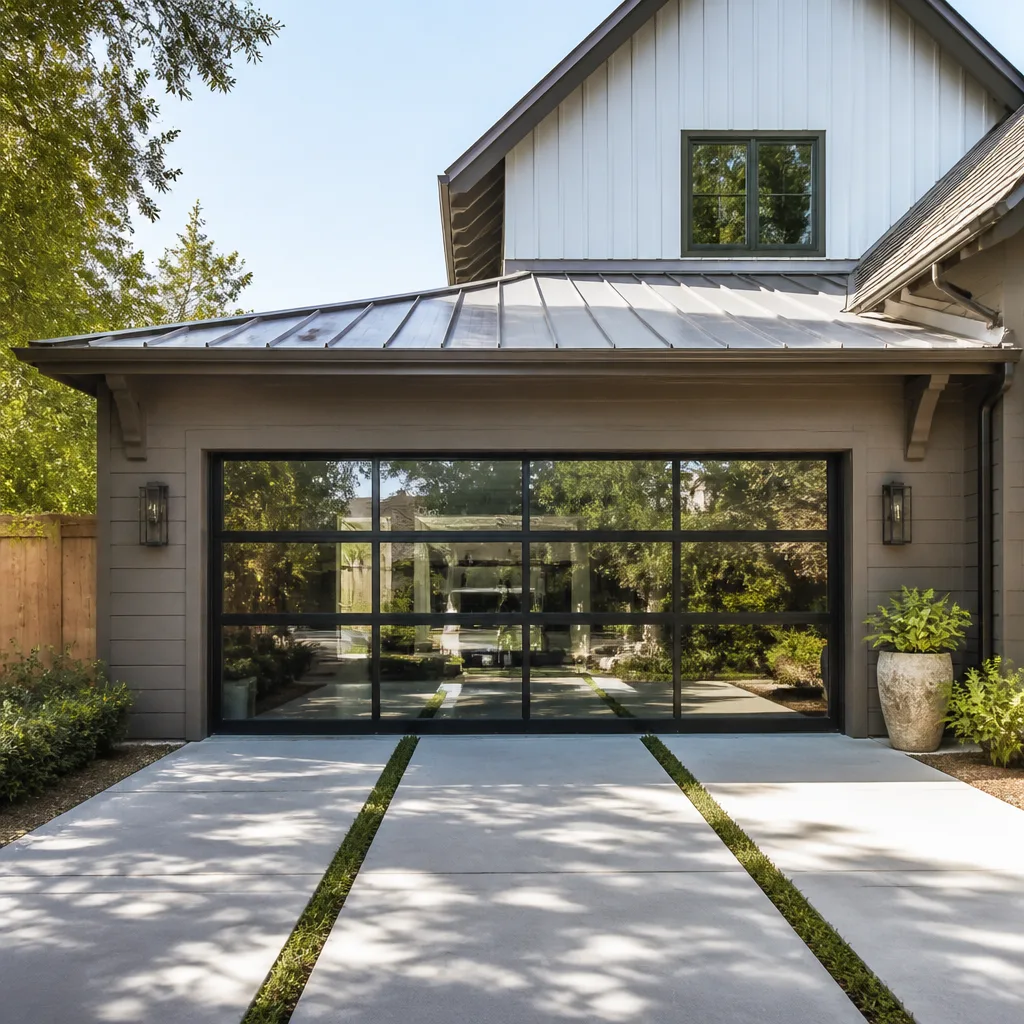 Full-view glass
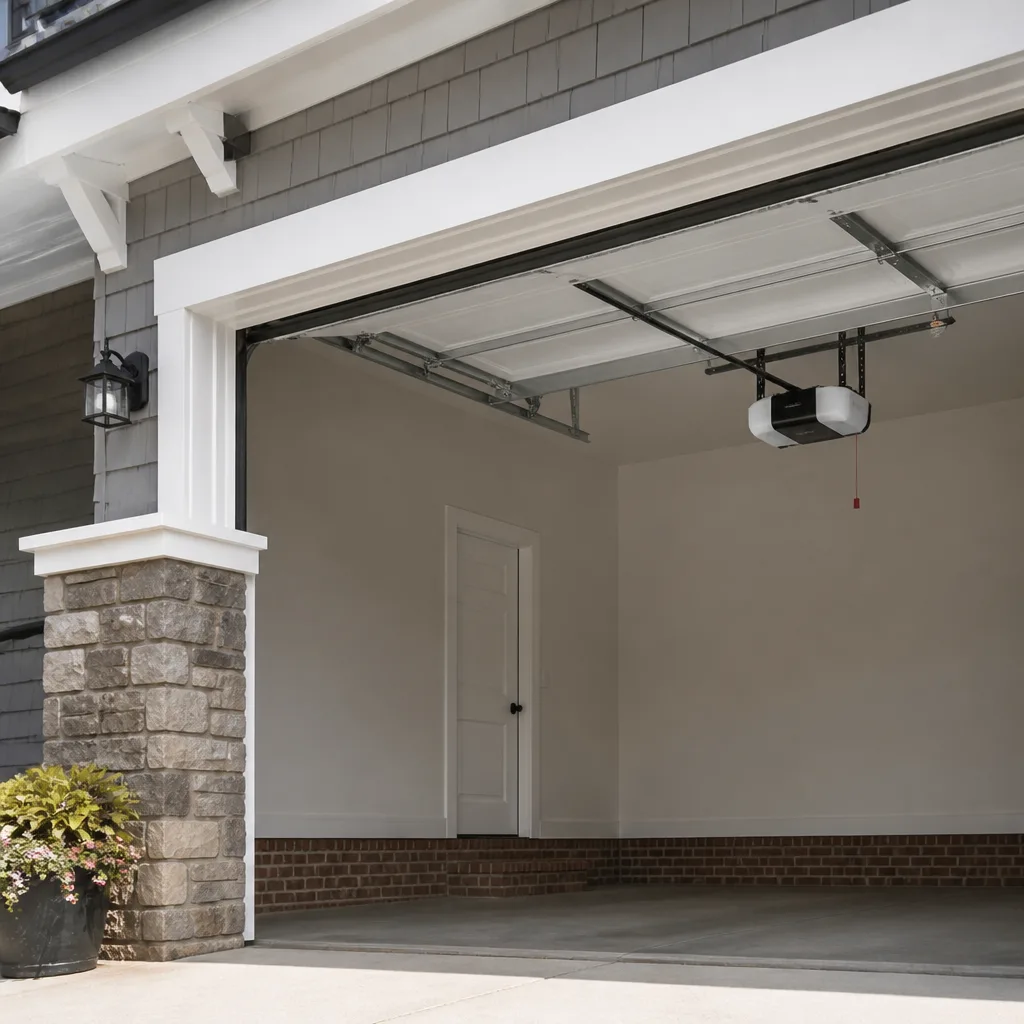 LiftMaster openers
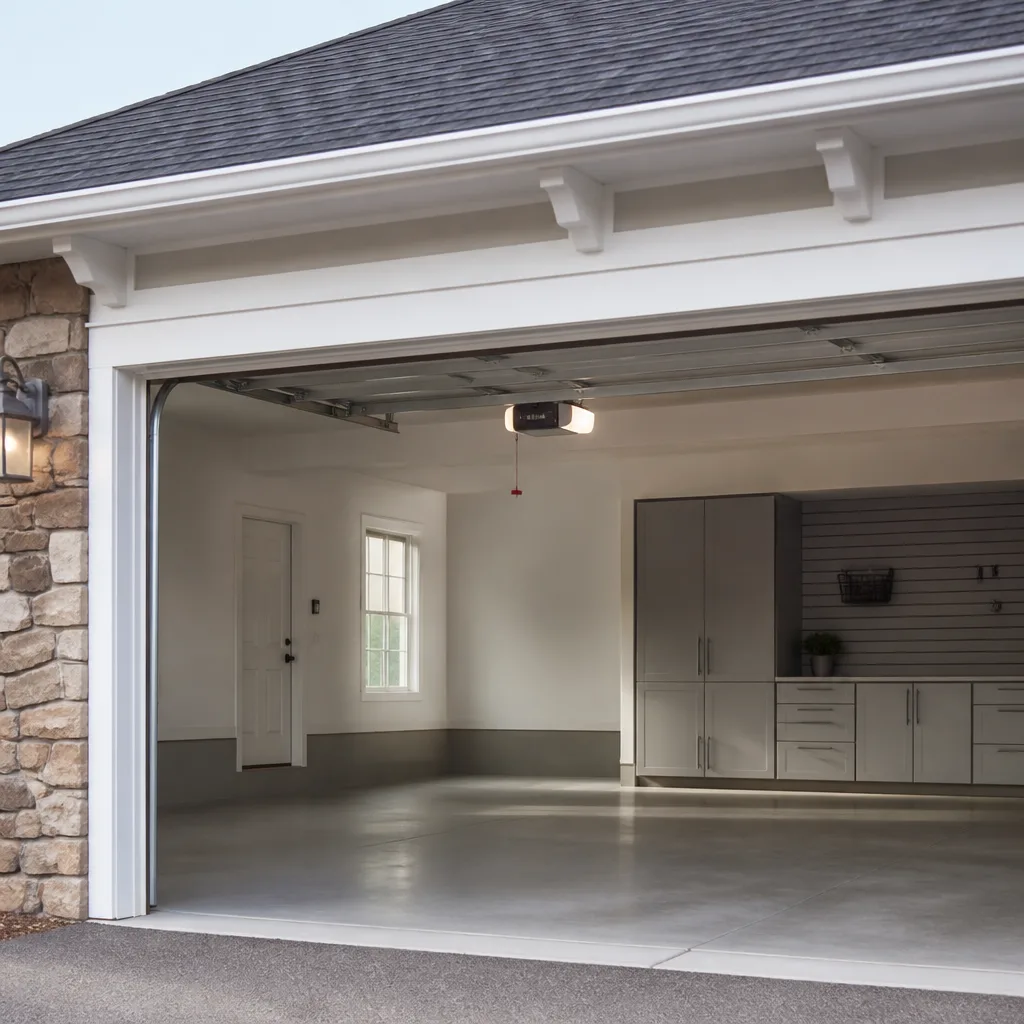 Chamberlain openers
Full 25-point door and opener safety check with every visit - springs, cables, rollers, tracks, and your LiftMaster or Chamberlain opener included
You get a price before we start. It does not change when the pro arrives.
Get your free estimateDIY vs Professional Garage Door: The Springfield Homeowner’s Decision Guide
Torsion springs store enough energy to kill someone when they let go. That’s an engineering fact, not a liability disclaimer, and it’s why the DIY-versus-professional question for garage doors doesn’t really come down to skill level. It comes down to which specific tasks carry physical risk that confidence and a good tutorial can’t offset, and which tasks are genuinely fine for a careful homeowner to handle. Most guides pick a side and stay there. This one won’t. Below we break down garage door work task by task, explain where the real dangers sit, cover the hidden costs of a botched amateur repair, and show Springfield homeowners what’s worth doing themselves and what isn’t. Our technicians have up to 14 years of experience, and we’ve walked through the aftermath of both good and bad DIY decisions.
Quick Answer
Roughly two-thirds of common garage door jobs are safe for a careful homeowner to attempt: lubricating moving parts, tightening loose bolts, adjusting photo-eye sensors, replacing batteries in remotes, and cleaning and re-engaging safety features. The remaining work – torsion spring replacement, cable replacement, track straightening on a loaded door, and anything involving the door’s suspension system – should always go to a trained garage door specialist because a failure can cause serious injury or death. If you’re not sure which category your repair falls into, describe the symptoms to a professional before you touch anything, and get a free estimate in Springfield by calling (866) 558-6301.
Styles & brands we work with
- Raised-panel steel
- Carriage house
- Modern flush
- Full-view glass
- LiftMaster openers
- Chamberlain openers
Table of Contents
- Task-by-Task Classification: Safe DIY vs. Leave It Alone
- Why Torsion Springs Are Different From Every Other Repair
- The Hidden Costs of DIY on Torsion Spring Work
- The Maintenance That Actually Prevents Repair Calls
- Tools and Parts Availability in Springfield
- How to Describe a Problem After a Partial DIY Attempt
- Springfield Conditions That Affect Garage Door Wear
- What Drives Cost on Garage Door Work in Springfield
Task-by-Task Classification: Safe DIY vs. Leave It Alone
The most useful thing we can do for a homeowner deciding whether to DIY a garage door repair is to sort the work honestly. Not everything is dangerous, and telling people otherwise wastes their time and their budget. Here’s how the work actually breaks down.
Genuinely safe for a competent homeowner
- Lubricating springs, hinges, rollers, and tracks using a proper garage door lubricant (not WD-40, which attracts dirt). This is the single highest-value maintenance task you can do yourself.
- Tightening loose hinge and bracket bolts with a socket wrench. Bolts work loose from vibration over time.
- Aligning and cleaning photo-eye sensors when the door won’t close because the safety beam is blocked or dirty.
- Replacing remote batteries and reprogramming a remote or keypad on opener models like LiftMaster and Chamberlain.
- Testing the auto-reverse function by placing a thick object in the door’s path. Every homeowner should know how to do this.
- Adjusting opener force limits on openers that have clearly marked adjustment dials and instruction manuals.
Requires tools most homeowners don’t own
- Replacing rollers and hinges – doable in principle, but you’ll want a proper socket set, C-clamps to hold the door sections steady, and a second pair of hands.
- Replacing a broken opener – the electrical work, mounting brackets, and alignment of the rail all require more than a basic drill.
- Replacing a bent bottom section – the panels are heavy and require removal of the bottom bracket (which is under tension).
- Replacing weather seal or bottom rubber – fine DIY territory but requires the right track width measurement and a specific pairing of seal to door.
Never DIY, regardless of skill
- Torsion spring replacement – one of the most dangerous residential repairs in existence.
- Extension spring replacement – less dangerous than torsion, still hazardous if the cables are under load.
- Cable replacement – cables are under the full counterweight tension of the door.
- Track straightening on a door that’s still on its springs – a door can slam shut or swing out unexpectedly.
- Bottom bracket removal – the bracket holds cable tension and can kick out with lethal force.
If you’re unsure where your repair falls, that’s the point to call. We answer 24/7, with fast dispatch from 7am to 7pm, and a free estimate on every job. If you’ve already attempted something and it didn’t go as planned, garage door repair is the page to read next.
Why Torsion Springs Are Different From Every Other Repair
Torsion springs aren’t dangerous because they’re heavy. They’re dangerous because they’re wound under the entire counterbalance load of the door – typically a few hundred pounds of stored energy per spring – and that energy has to go somewhere when the spring fails or is released improperly. When a torsion spring breaks during normal use, the door drops. When it breaks during a repair attempt, everything depends on where the person’s hands and head are.
The reason experienced tradespeople still treat torsion springs with respect isn’t professional gatekeeping. It’s that the process of replacing one requires specific winding bars, correct winding turns for the door’s weight and drum size, and a controlled release. Getting the winding turns wrong isn’t a small error – it means the door sits unbalanced, or worse, the spring releases while the bars are still in place.
What makes torsion springs uniquely high-risk
- Stored energy under tension: the spring is tightly wound even when the door is fully closed. Two full turns on a winding bar is more than most people expect.
- Specific tools required: correct-diameter winding bars, a vice grip for the shaft, and a way to hold the door weight. Improvising with screwdrivers or pliers is how people get hurt.
- Two-spring systems: most Springfield doors have either one torsion spring or a matched pair. A pair that’s replaced one spring at a time will fail again soon after – they wear together.
- Hidden failure: a spring can look intact while being partially broken. It can release at any point in the cycle.
How much does torsion spring replacement cost in Springfield?
A single torsion spring replacement in Springfield typically runs about $180 to $340 depending on the spring size, door weight, and whether the door is accessible. A matched pair – which is what we usually recommend on a door that has two springs of the same age – costs roughly twice that because both springs are being replaced together. The estimate given before work begins is the price you pay.
| Job | Typical estimate range |
|---|---|
| Single torsion spring replacement | $180 – $340 |
| Matched torsion spring pair | $360 – $680 |
| Extension spring replacement (single) | $150 – $260 |
| Spring replacement plus tune-up | $240 – $400 |
| Cable replacement (per side) | $180 – $320 |
| Roller replacement (per door) | $120 – $250 |
These are typical estimates, not a quote. Every door is different, and the written estimate after inspection sets the final price. Our garage door spring repair team handles torsion and extension springs as a specialty – it’s the work most general handymen won’t take on.
The Hidden Costs of DIY on Torsion Spring Work
Homeowners usually think about the safety risk when they weigh a DIY spring replacement. The bigger cumulative cost is often financial, and it’s rarely discussed. Here’s what actually happens after a botched spring job.
Voided manufacturer warranties
Door and opener manufacturers – Clopay, Amarr, Wayne Dalton, Raynor, LiftMaster, Chamberlain, Genie, Craftsman – build warranties around professional installation and service. A spring replacement performed by anyone other than a trained technician, or a door operated with a mismatched or incorrect spring, can void the warranty on the door itself, the opener, or both. That’s not a scare tactic. It’s a real clause in most warranties and worth reading before you start.
Insurance coverage gaps
If a DIY repair causes property damage or injury, homeowners insurance may not cover it if the work is determined to have been performed negligently or without a licensed trade. The specifics vary by policy, so talk to your insurer if you’re considering significant DIY garage door work. The general principle is that insurers expect certain repairs to be done by trained tradespeople, and garage door springs sit in that category.
Secondary damage that costs more than the original repair
When a spring fails during a DIY attempt, the door often drops or twists. That can mean:
- Bent track sections that need straightening or replacement
- Cracked or separated door panels
- Broken bottom brackets and popped cables
- Opener damage if the door slams into the opener’s carriage
A $200 spring job can turn into a $900 repair when secondary damage is added in. If you’ve already attempted a spring repair and it didn’t go right, the smartest thing to do is stop using the door and call a specialist rather than continuing to troubleshoot.
The time cost of getting it wrong twice
Springs require the correct wire gauge, inside diameter, and length for the door’s weight. Getting the wrong size from a big-box store means the door is now unbalanced, and the technician has to diagnose and reorder the right spring before the fix can happen. This is one reason we carry the springs most common in Springfield door weights and come ready to finish the job in a single visit.
The Maintenance That Actually Prevents Repair Calls
Here’s the part where DIY genuinely wins. Most of the repair calls we handle in Springfield – a stuck door, a door that’s grinding or jumping, an opener that won’t close properly – trace back to skipped maintenance. That maintenance is safe, cheap, and takes twenty minutes twice a year.
The twice-a-year maintenance routine
- Lubricate every moving metal part. Springs, hinges, rollers, and the torsion bar bearings. Use a proper garage door lube, not WD-40. Twice a year, more often if you notice the door getting louder.
- Wipe down the tracks. Don’t lubricate the tracks – clean them. A slightly damp rag and a light solvent is all you need. Metal-on-metal contact on the tracks is normal; grease attracts dust and makes it worse.
- Test the auto-reverse. Place a 2×4 flat on the ground in the door’s path and close it. The door should reverse on contact. If it doesn’t, the opener needs attention.
- Test the photo-eye safety beam. Wave a hand through the beam while the door is closing. It should reverse. If not, clean the lenses first, then check alignment.
- Look and listen. A door that suddenly gets louder, jumps on one side, or hangs unevenly at the top needs a professional look before it becomes a bigger repair.
- Tighten the hardware. Run a socket wrench over the hinge and bracket bolts every few months. Snug, not torqued.
What that maintenance saves you
The difference between a 12-year-old door that’s been maintained and one that hasn’t is obvious in the field. Maintained doors have springs that hit their full cycle life, openers that don’t burn out early from fighting resistance, and tracks that stay straight. Unmaintained doors often need the same spring, roller, and opener repairs compressed into a shorter window.
If your door is at the point where maintenance alone won’t fix it, garage door opener repair and spring service are the two most common next steps. Our technicians have up to 14 years of experience across LiftMaster and Chamberlain openers specifically, and can usually diagnose by symptom over the phone before we arrive.
Tools and Parts Availability in Springfield
If you’re going to DIY the safe category of work, you need the right tools and parts. Springfield has reasonable options, but there are limits worth knowing about.
What’s stocked locally
- Lubricant, weather seal, and bottom rubber: available at most hardware stores and larger home centers in Springfield.
- Basic hand tools: socket sets, clamps, and screwdrivers – widely available.
- Remote batteries and universal remotes: universal remotes are sold locally but can be inconsistent with older Craftsman and Raynor systems.
- Roller replacement sets: usually stocked, though nylon rollers from the local shelf don’t always match the original hardware.
What usually requires more than a retail trip
- Torsion springs in the correct size: local retail rarely stocks the correct wire gauge and length combination for a specific door weight. Springs are matched to the door, not sold universally.
- Matched spring pairs: extremely rare in retail. Trade suppliers stock them.
- Cables in specific lengths: cable length depends on door height and drum type.
- Brand-specific opener parts: LiftMaster and Chamberlain use proprietary logic boards, carriage assemblies, and safety sensors. Most of that is trade-channel only.
- Bottom brackets and center bearings: specific to the door’s make and model.
If your goal is to do the safe maintenance yourself and call in a specialist for the rest, that’s exactly the right split. We work on the brand already in your garage – LiftMaster, Chamberlain, Genie, Clopay, Amarr, Wayne Dalton, Craftsman, and Raynor – so there’s no odd part you’d need to hunt down. Call (866) 558-6301 with the brand and model and we can tell you what’s likely involved before we come out.
How to Describe a Problem After a Partial DIY Attempt
Homeowners are often a little embarrassed to admit they tried a repair first. Don’t be. The best thing you can do for the technician – and for your final bill – is to describe exactly what you did, in order, and what changed after. Honest description saves diagnostic time, and diagnostic time is what makes a repair cost more than it needs to.
What to tell the technician when you call
- The brand and door/opener model. LiftMaster, Chamberlain, Clopay, and the rest. The model is usually on a sticker on the inside of the door or the opener’s powerhead.
- The original symptom. What the door was doing before you touched it. Grinding? Jumping? Not closing completely? Reversing halfway up?
- What you attempted, in order. Lubricated the springs? Adjusted the force limits? Replaced a roller? Changed a remote? Tried to wind a spring?
- What changed after. Did the door get louder, slower, uneven, or stop entirely? Did it start reversing? Is the opener light flashing a specific code?
- Current state of the door. Is it fully closed, fully open, stuck halfway, or off the tracks? Is it safe to leave where it is?
Why this matters for cost
A technician arriving to a described scenario can bring the right springs, the right rollers, and the right opener board. A technician arriving to a door with no history has to diagnose from zero, which means a return trip if the right part isn’t on hand. We’d rather you tell us “I sprayed WD-40 on the springs and now the door won’t close” than say “it just stopped working.” The first version gets the right answer faster.
If the door is currently stuck open, off the tracks, or hanging on one side, don’t try to cycle it. Call us at (866) 558-6301. We answer 24/7, with fast dispatch from 7am to 7pm, and same-day emergency service is a core part of what we do.
Springfield Conditions That Affect Garage Door Wear
Garage doors take on the local climate more than most homeowners realize. Springfield sits in western Massachusetts with a humid continental climate: cold, wet winters, warm humid summers, and real seasonal swings in temperature and moisture. That matters for the door.
Winter wear
Cold weather tightens metal and stiffens lubricant. Springs cycle harder when it’s below freezing, rollers get noisier, and seals crack faster. Wood doors absorb moisture and can swell against the frame. One of the highest-value maintenance habits in Springfield is a pre-winter lubrication pass – late autumn, before the first freeze – on every moving part.
Summer wear
Heat expands and contracts the door panels through the day, and the repeated cycle accelerates wear at the hinges and rollers. Hot, humid weeks make untreated steel tracks rust in low-airflow garages. Clean and dry is better than greased and dirty in a Springfield garage.
Spring and fall swings
The temperature swings between 30 and 70 degrees in a single week aren’t unusual in Springfield. Each of those swings cycles the door’s components a bit more than a stable climate would. Doors tend to fail at the seasonal boundaries, and twice-a-year maintenance timed to those boundaries helps spread the wear.
What this means for DIY
Maintenance, not repair, is the right seasonal response. Twice-a-year lubricant, seal inspection, and hardware tightening are genuinely homeowner-appropriate. What isn’t appropriate in any season is winding a torsion spring in a 20-degree garage – not just because the spring will be stiffer, but because the risk doesn’t drop with the temperature.
What Drives Cost on Garage Door Work in Springfield
Pricing on garage door work in Springfield is set per job, by written estimate, before work begins. There are no service call fees, dispatch fees, or trip charges – the estimate is free and the price is agreed before anything is touched. That said, it’s useful to know what actually moves the number.
The main cost drivers
- Door type and weight: a heavy double-car wood door puts more load on springs and tracks than a single-car steel door, and the springs cost more to match.
- Spring type: torsion spring jobs are typically more involved than extension spring jobs, so the range is wider.
- Number of springs: a matched pair costs roughly twice a single spring.
- Brand: parts for Genie and Raynor can be more specific than LiftMaster or Chamberlain, but brand-specific logic means we know what’s likely before arrival.
- Access: a low-clearance or partially obstructed garage slows the work.
- Secondary damage: if a DIY attempt bent the track, damaged a panel, or popped a cable, the repair is larger than the original job would have been.
- Opener condition: a door repair on a door that’s fighting a failing opener often costs more than the door-repair estimate alone because both need attention.
What doesn’t change the price
The price for a given job is set by the estimate, not by the time of day, day of week, or urgency of the call. The written estimate is what you pay, and the written estimate is given before any work starts.
If you’re ready for a garage door specialist rather than a general handyman, Springfield Garage Door Repair Co covers the full range from tune-ups to full replacement. Every technician and every part is specific to garage doors.
Common Mistakes to Avoid
- Watching one tutorial and buying a winding bar set. Videos make torsion spring work look mechanical. It is mechanical – the risk isn’t skill, it’s physics. The stored energy doesn’t negotiate with confidence.
- Lubricating the tracks. Tracks should be clean and dry. Grease attracts grit and causes the rollers to skid. This is one of the most common Springfield maintenance mistakes we see.
- Ignoring a matched pair when replacing one spring. Two springs installed at the same time wear at the same rate. Replacing one leaves the door unbalanced and the older spring close to failure. Replace both.
- Adjusting the opener force limits to compensate for a stiff door. Raising the force to make a slow door move faster puts more load on the opener motor and shortens its life. Fix the resistance, not the force.
- Continuing to operate a door that’s off the tracks or hanging on one side. Every cycle on an unbalanced door risks the panels and the opener at the same time.
- Assuming all springs are interchangeable. They’re sized to the door’s weight, drum, and cycle life. A spring from the wrong box doesn’t make the door stronger – it makes it unbalanced and dangerous.
- Not mentioning the DIY attempt when calling. Half of the extra cost on partial-repair jobs comes from the technician diagnosing blind. Be direct about what was tried and what changed.
See the difference
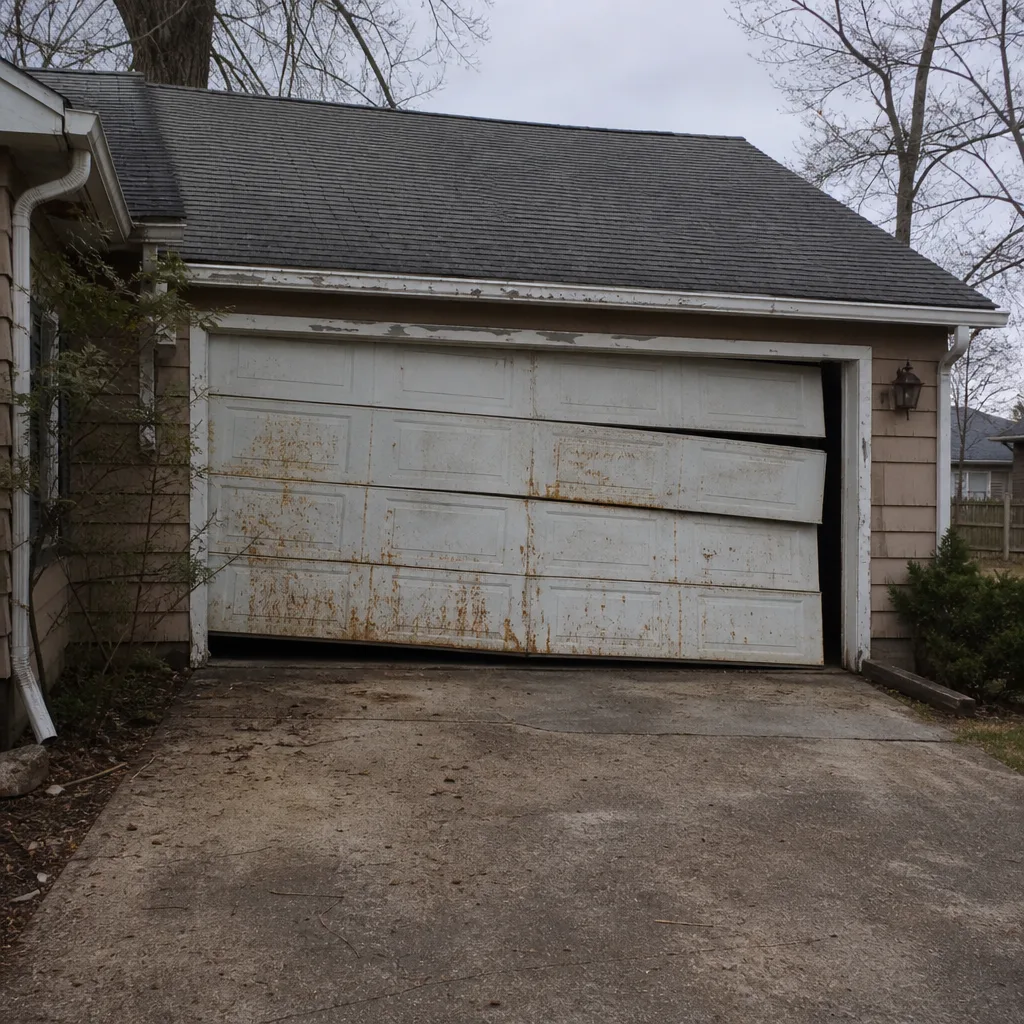 Before
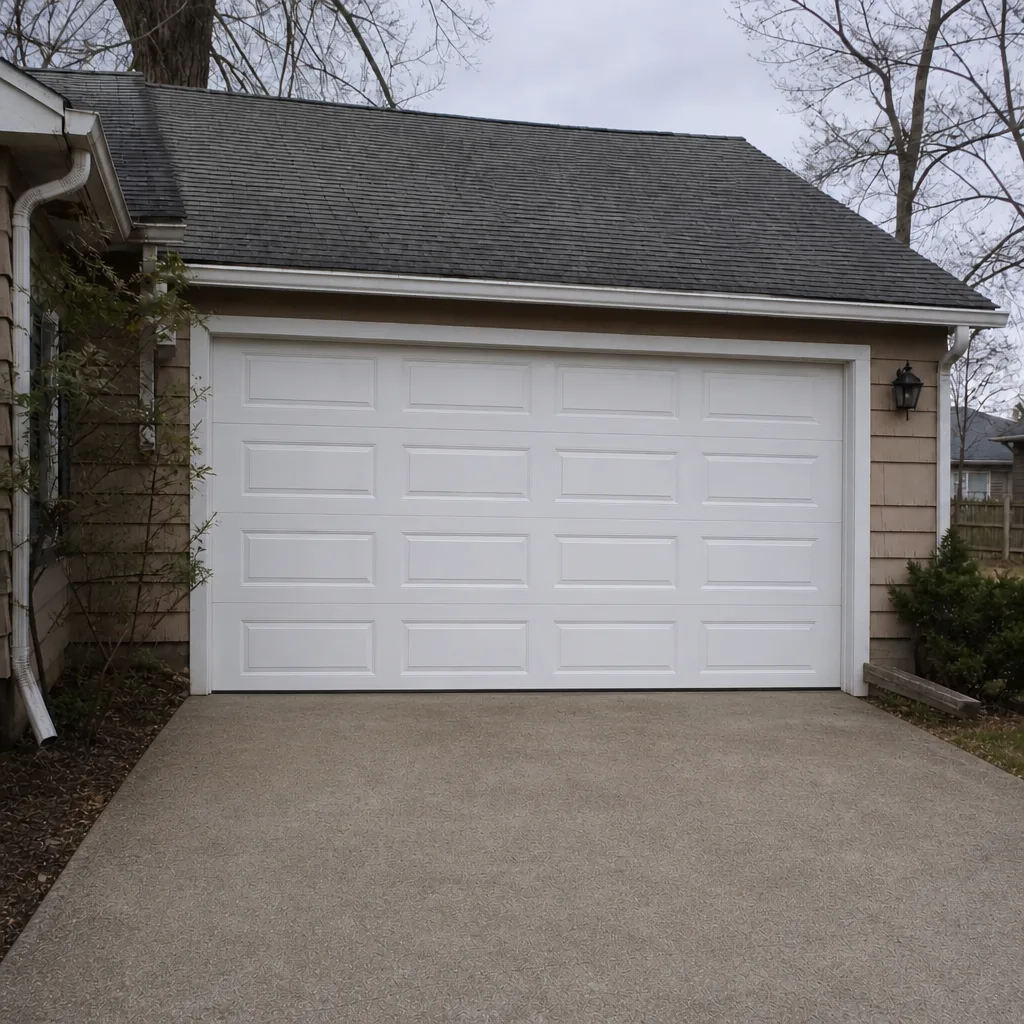 After
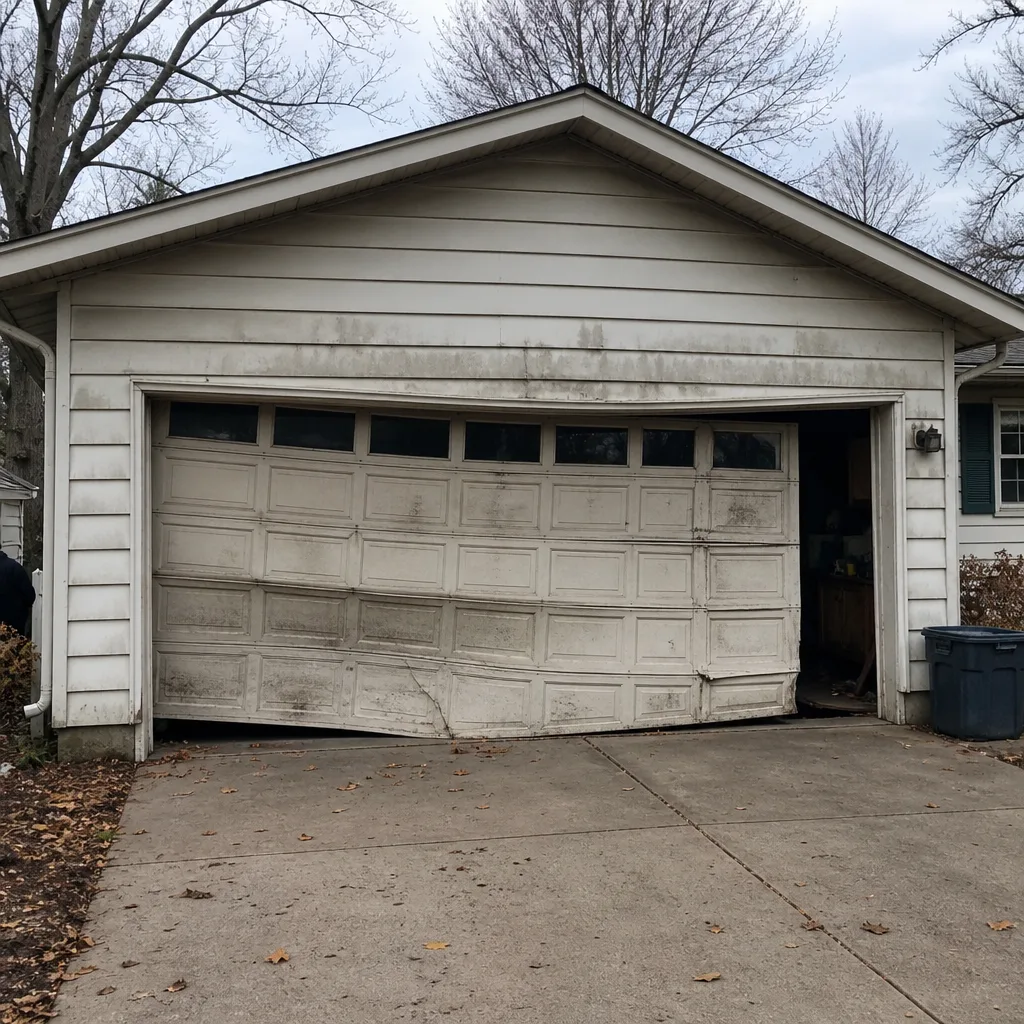 Before
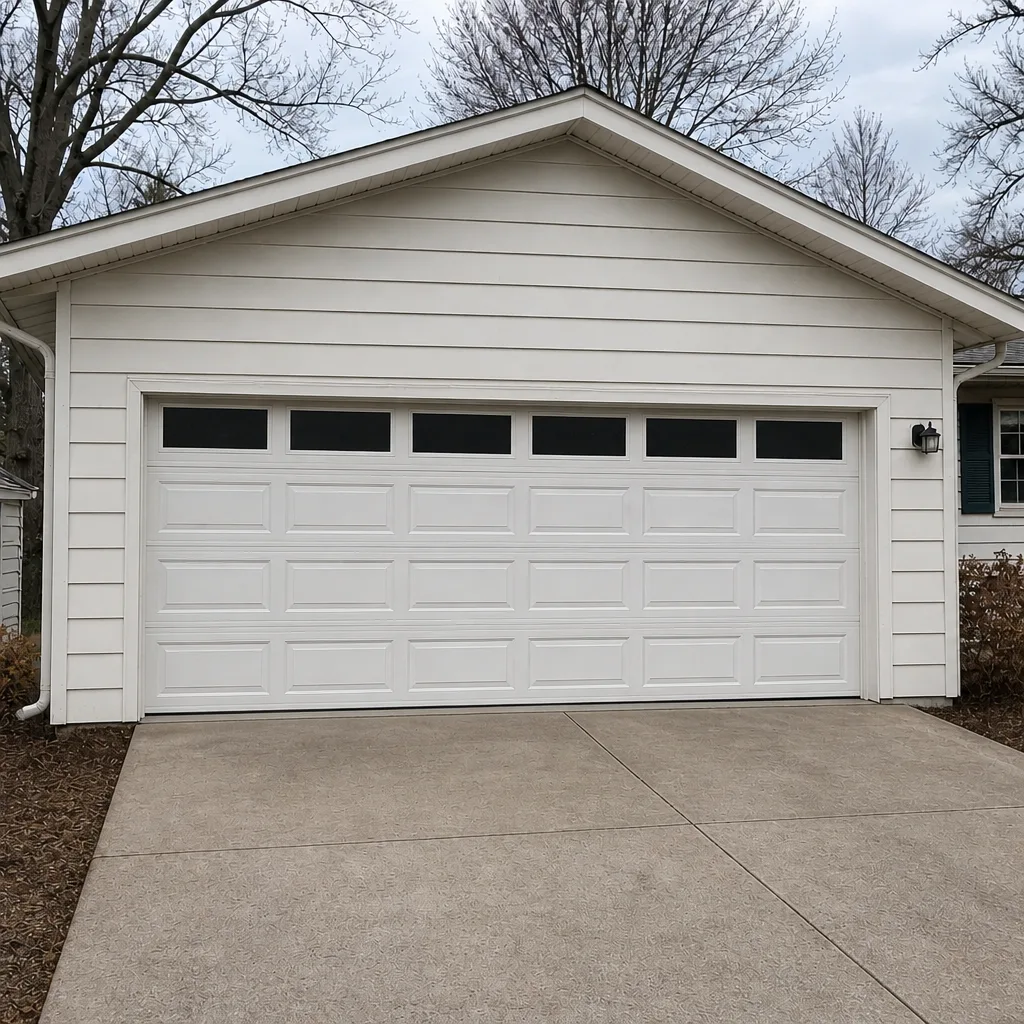 After
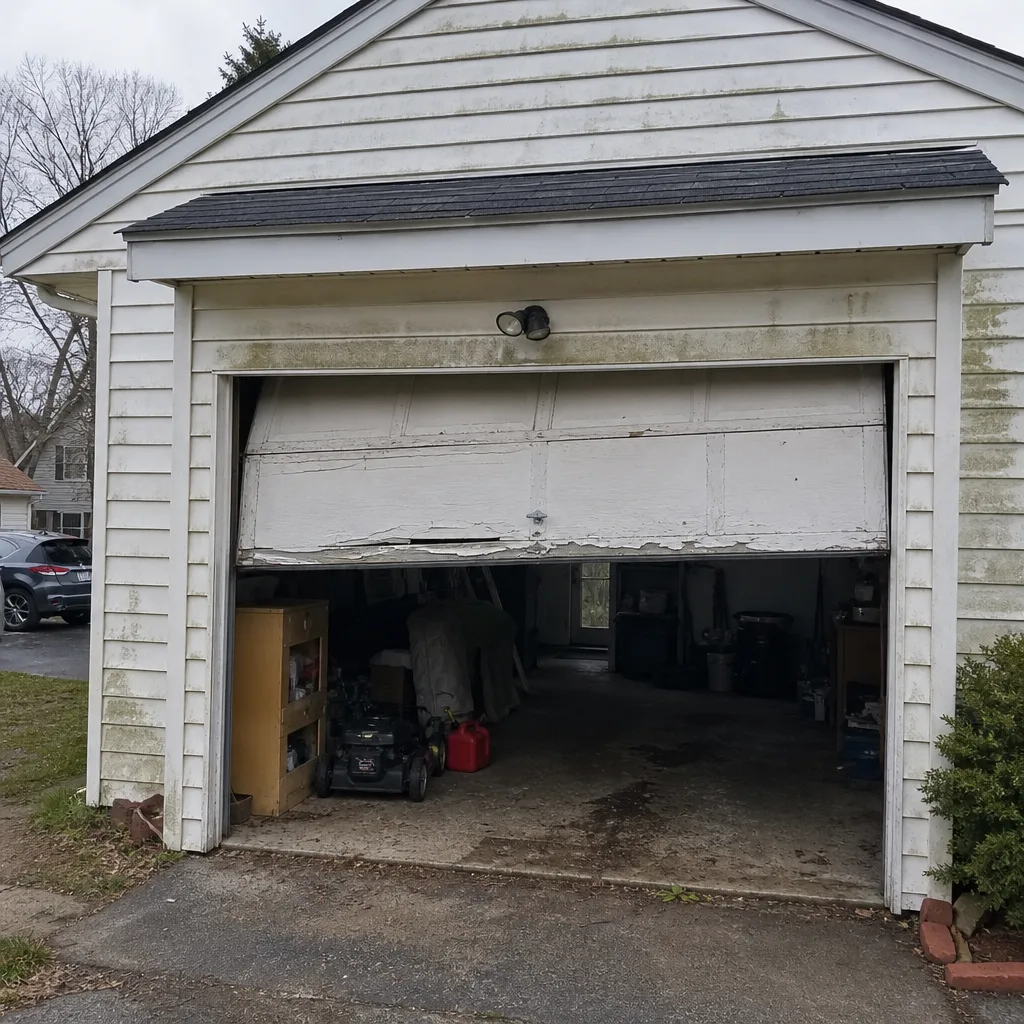 Before
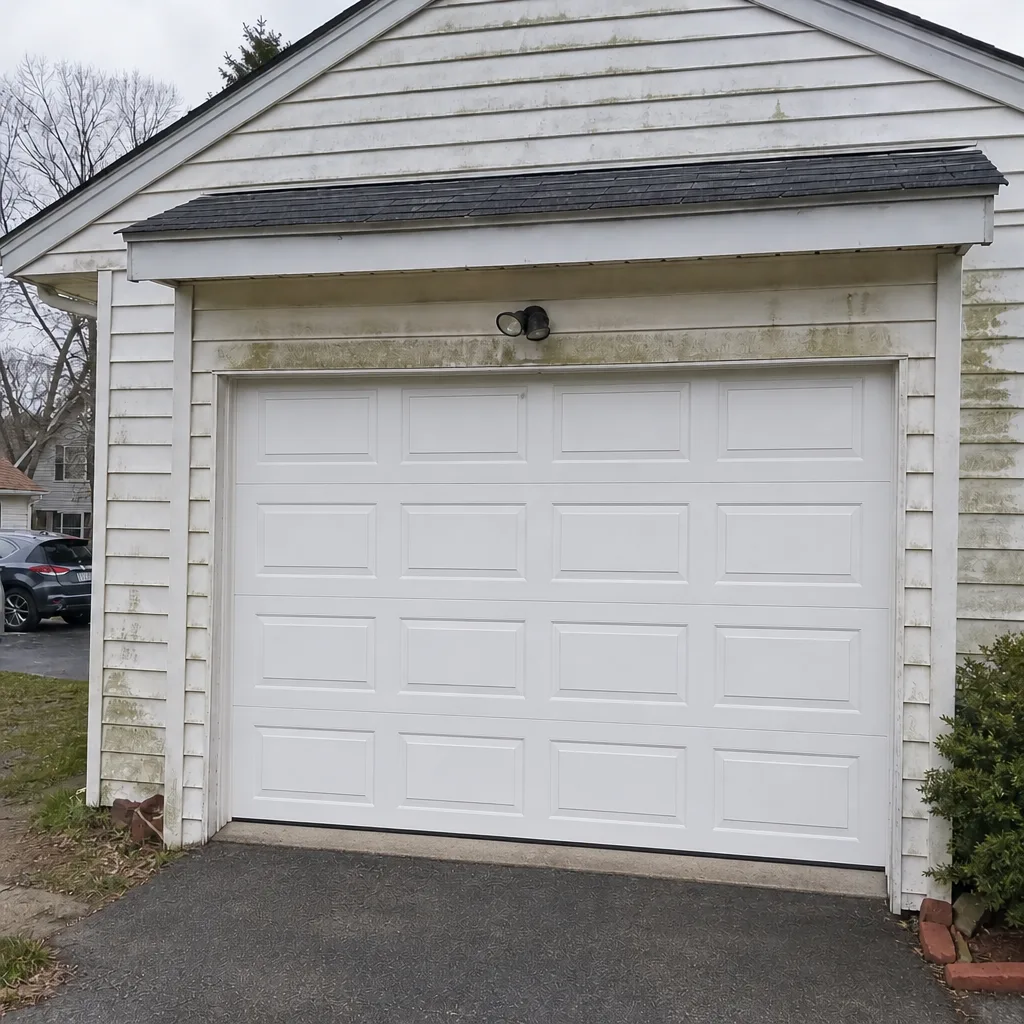 After
When to Call a Professional
Some jobs you should call a garage door specialist for without hesitation. If any of these are true, stop and call:
- A torsion or extension spring has broken, or you suspect it’s broken
- You hear a loud bang from the garage and the door won’t stay up
- The door is off the tracks or hanging on one side
- A cable is loose, popped, or visibly frayed
- The door reverses unpredictably, closes on its own, or slams
- The door has been partially disassembled during a DIY attempt and won’t cycle properly
- You want a full inspection before making a decision on repair versus replacement
Springfield Garage Door Repair Co offers free estimates in Springfield – call (866) 558-6301. We answer 24/7, with fast dispatch from 7am to 7pm. Our technicians have up to 14 years of experience, and every repair is quoted and agreed before any work starts.
Frequently Asked Questions
Yes, for maintenance-level work: lubrication, hardware tightening, photo-eye cleaning, remote battery replacement, weather seal inspection, and safety testing. Those tasks are safe and genuinely reduce the frequency of professional repairs. Springs, cables, and track straightening are never DIY, regardless of skill.
A single torsion spring replacement typically runs $180 to $340, and a matched pair runs roughly twice that. Extension springs are usually $150 to $260 for a single. These are typical estimates – the written estimate after inspection sets the final price. Call (866) 558-6301 for an exact quote – estimates are free.
Same-day service is available for emergency repairs like a broken spring, a door off its tracks, or an opener that’s failed and left the door stuck. We answer 24/7. Fast dispatch from 7am to 7pm. A call outside dispatch hours is booked into the next opening, Sunday through Friday, 7am to 7pm.
No – the price is quoted and agreed before any work starts. If the inspection turns up additional damage the original estimate didn’t cover (for example, a bent track found under the door after a DIY attempt), we’ll tell you before doing additional work and give a new written estimate for that portion. The number you agree to is the number you pay.
The local professionals we connect you with are licensed and insured as their state requires. We work with trained garage door technicians – not general handymen – so the person arriving at your door is working on the brand and door type they’re set up for.
It can. Most door and opener manufacturers write warranties around professional service, and a spring replaced by an untrained person can void coverage on the door, the opener, or both. Homeowner’s insurance typically expects certain repairs to be done by trained tradespeople, so a DIY injury or damage may not be covered. Check your specific policy before starting.
Torsion springs are rated by cycles, not years, and usually last somewhere between 7 and 12 years in normal residential use. In Springfield’s seasonal climate – cold winters, humid summers, real temperature swings – cycle wear happens a bit faster than in milder climates. Twice-a-year lubrication is the simplest way to extend spring life.
Don’t force it, and don’t try to cycle the opener repeatedly. A door stuck open with a broken spring or released cable is under unbalanced load, and forcing it can drop or twist it. Call (866) 558-6301 – we answer 24/7, and same-day emergency service is what we’re set up for.
The Bottom Line
The DIY-versus-professional question for garage doors is really a question of task classification. Maintenance work – lubrication, hardware tightening, safety testing, photo-eye alignment – is well worth doing yourself twice a year, and it’s the single most effective thing you can do to reduce repair calls. Spring, cable, and loaded-track work sits in a different category because the danger is physical, not technical, and no amount of tutorial-watching changes that. The financial consequences of a botched amateur repair on top of the safety risk – voided warranties, insurance gaps, secondary damage – turn a small job into a large one. When in doubt, describe the symptoms and get a free estimate before you start.
Contact Springfield Garage Door Repair Co for a free estimate in Springfield. Call (866) 558-6301. We answer 24/7, with fast dispatch from 7am to 7pm. Our technicians have up to 14 years of experience, every repair is quoted and agreed before work starts, and we’re set up for same-day emergency service.
Written by the team at Springfield Garage Door Repair Co.