
Last updated November 21, 2026
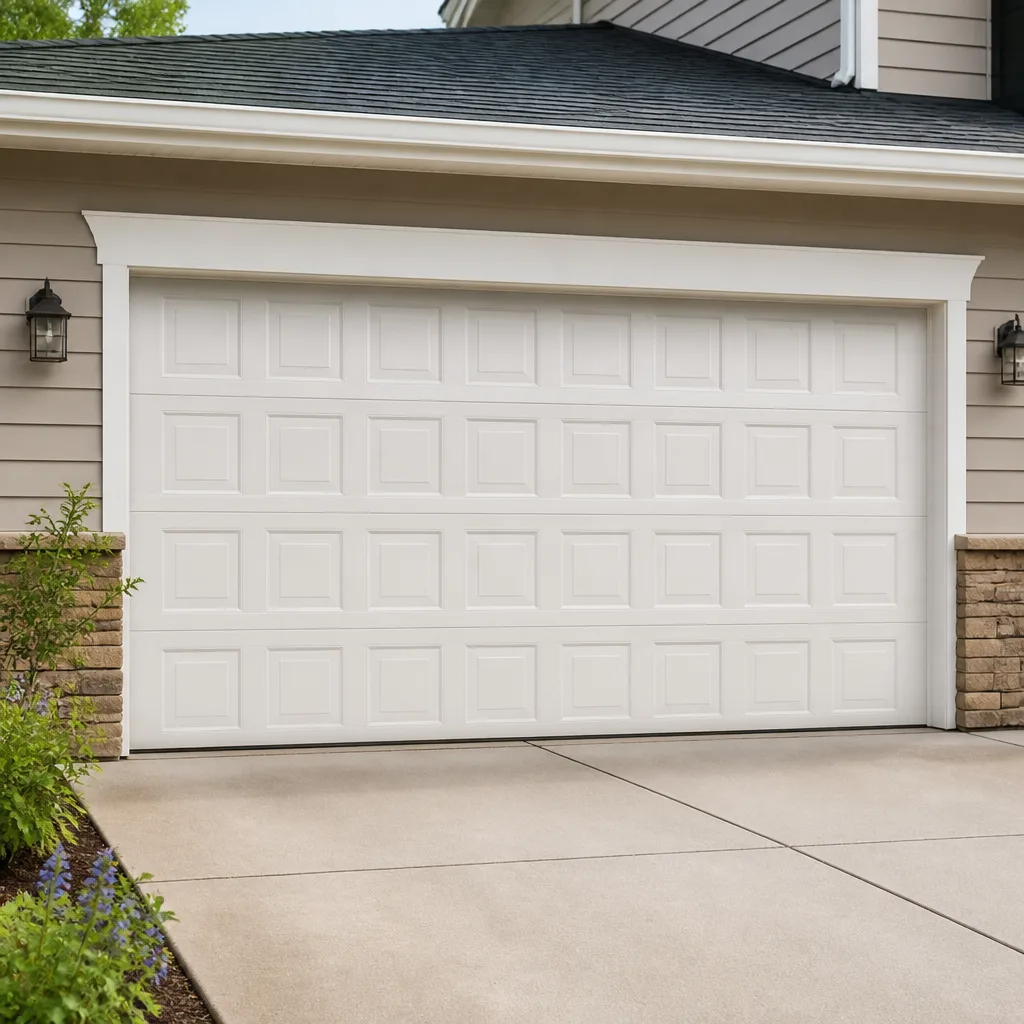 Raised-panel steel
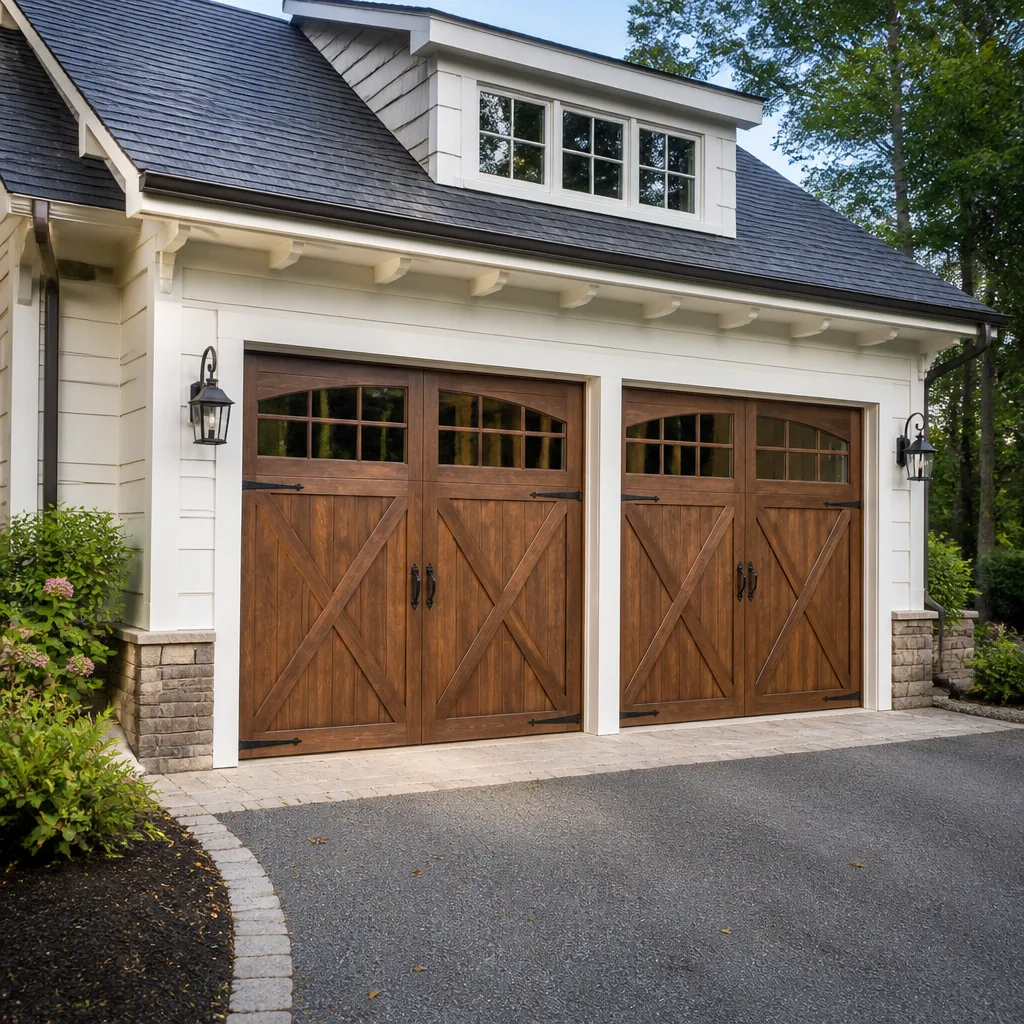 Carriage house
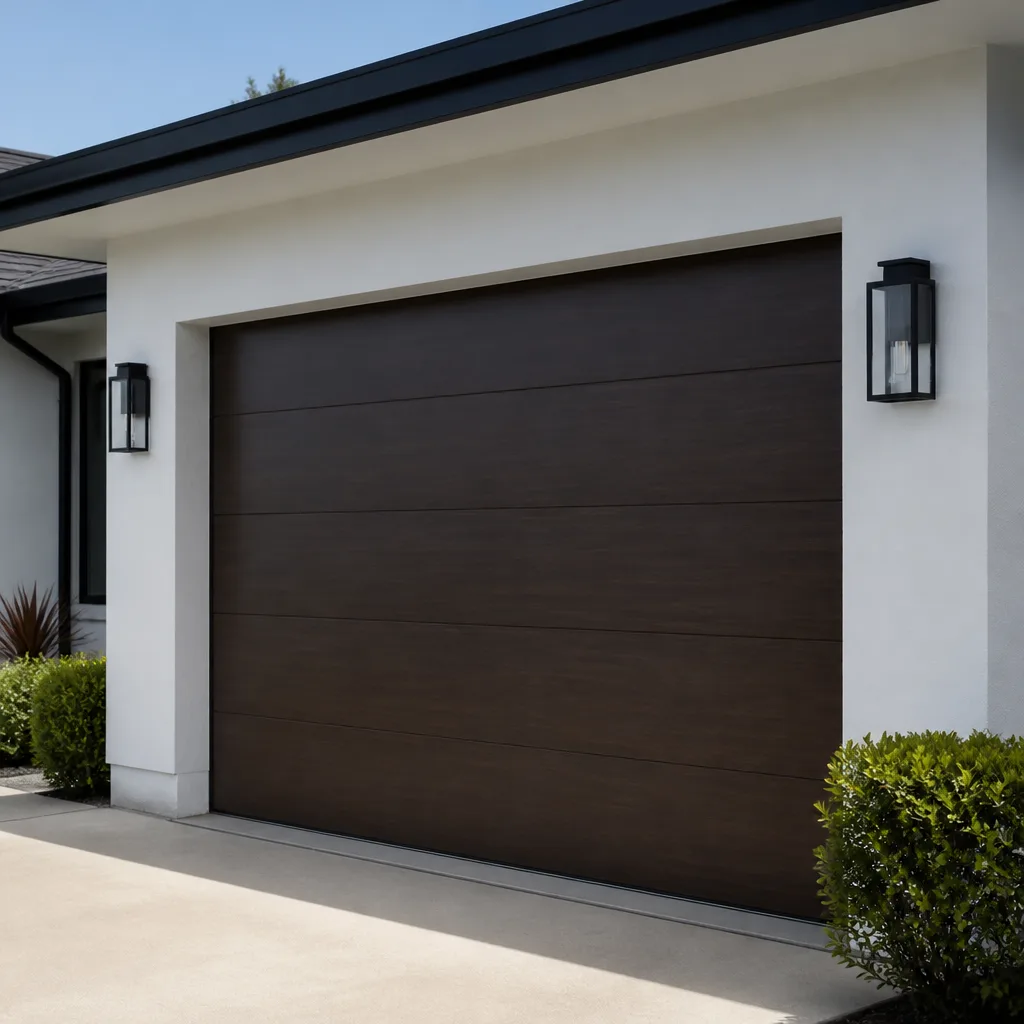 Modern flush
 Full-view glass
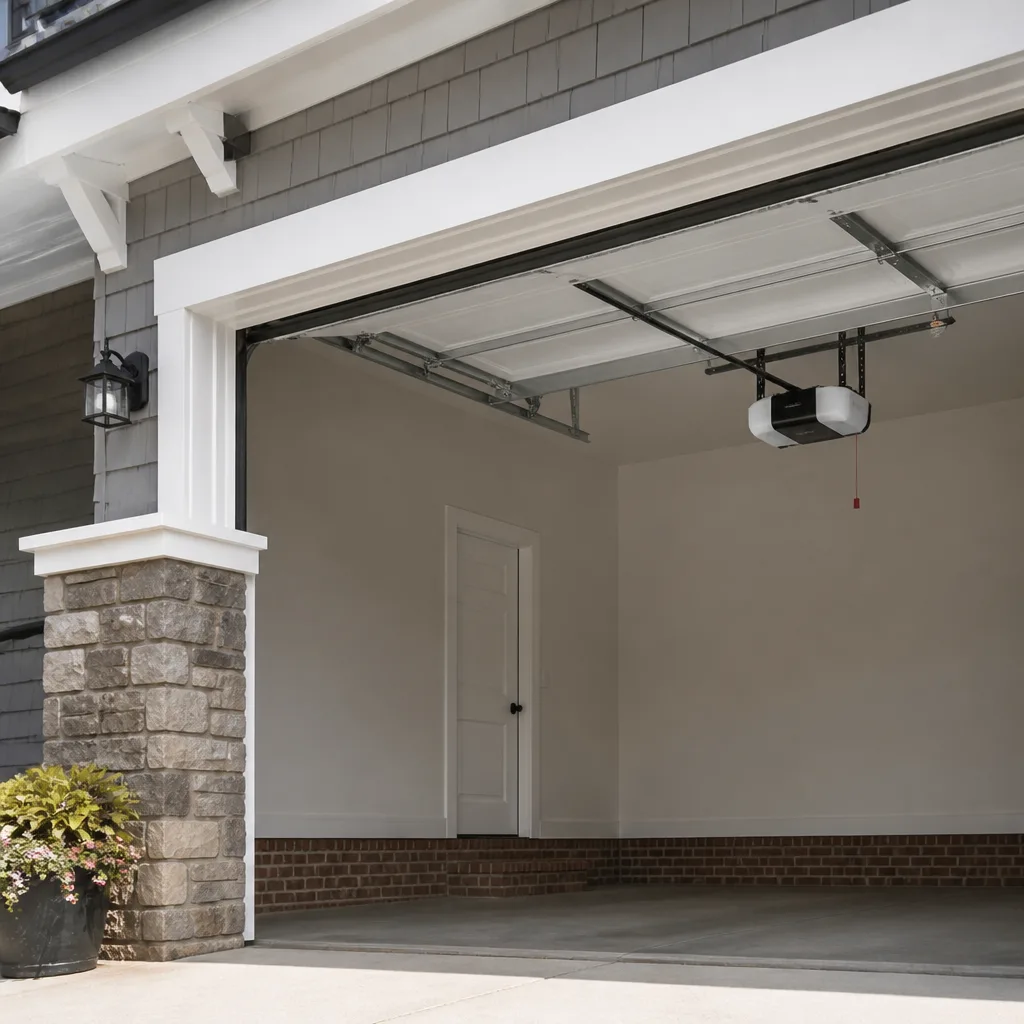 LiftMaster openers
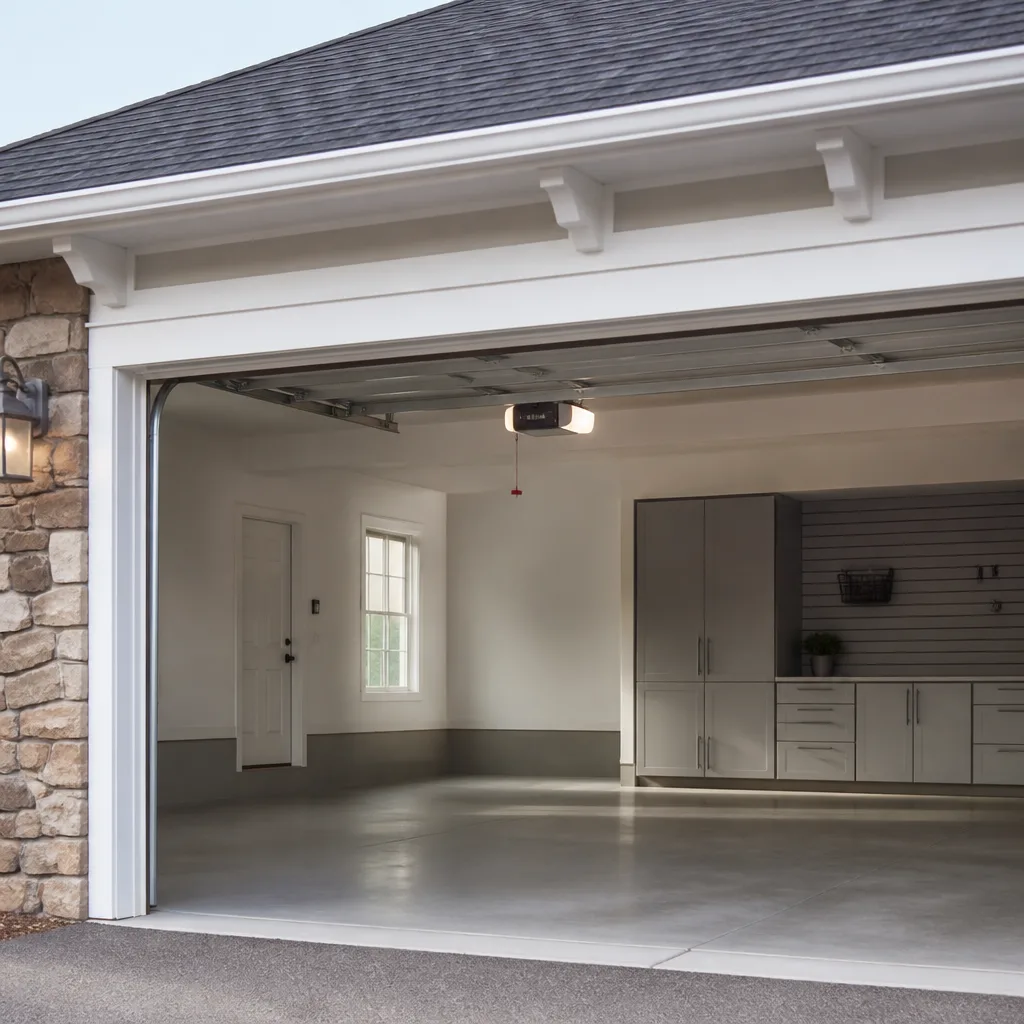 Chamberlain openers
Full 25-point door and opener safety check with every visit - springs, cables, rollers, tracks, and your LiftMaster or Chamberlain opener included
You get a price before we start. It does not change when the pro arrives.
Get your free estimateGarage Door Warning Signs: A Springfield Homeowner’s Reference Guide
A garage door that hesitates for two seconds before closing isn’t “getting old.” It’s showing you a specific symptom, and that symptom points to one of a few diagnosable causes, each with its own repair and its own urgency. The trouble is that most homeowners read a slow, loud, or crooked door as normal wear and wait until something breaks. In our experience, the door usually told you weeks in advance. This guide decodes the sounds, the movement, and the visual cues a Springfield door gives off, so you can tell a nuisance adjustment from a component that’s one cycle away from failing dangerously. You’ll learn what each signal means, which ones let you keep watching, and which ones mean stop using the door today.
Quick Answer
The most serious garage door warning signs are a snapped spring (the door won’t lift or feels impossibly heavy), a door hanging crooked or off its tracks, and a frayed or slack cable. Any of those means stop operating the door and call a specialist. Grinding, popping, and rattling usually point to worn rollers, dry hinges, or a failing opener gear, and those can often be scheduled rather than treated as an emergency. In Springfield, cold snaps routinely produce symptoms that look like failures but are really temperature-related and clear up on their own.
Styles & brands we work with
- Raised-panel steel
- Carriage house
- Modern flush
- Full-view glass
- LiftMaster openers
- Chamberlain openers
Table of Contents
- The Symptom-to-Cause Table: What Each Sound and Motion Means
- What the Noises Are Telling You
- Visual Warning Signs Homeowners Walk Past Every Day
- Monitor for Weeks or Stop Today? Sorting Warning Signs by Urgency
- Springfield Cold Weather and the False Positives It Creates
- Opener Warning Signs vs. Door System Warning Signs
- The Two Parts You Should Never Touch Yourself
- The Monthly Two-Minute Check That Catches Most Failures Early
The Symptom-to-Cause Table: What Each Sound and Motion Means
Every symptom a garage door produces maps to a mechanical source, and the source tells you how urgent the repair is. Here’s how we read them.
- Loud grinding or a growling sound while the door moves: worn nylon or steel rollers, or dry hinge pivots. Urgency: moderate. The door keeps working but the friction accelerates wear on the opener. Schedule it.
- A sharp popping or snapping sound, then the door won’t lift: a torsion spring has broken. Urgency: stop now. The door is being held by the opener alone, and forcing it stresses the opener and the panels.
- Scraping metal on metal, often at one point in the travel: a bent track, a misaligned roller, or a panel out of square. Urgency: high. Every cycle grinds the roller and track a little further.
- Rattling that’s louder on windy days: loose hinge bolts, loose panel fasteners, or a worn bottom bracket. Urgency: low to moderate. Usually a tightening job, but a rattling bracket can eventually crack.
- A rhythmic thumping or banging as the door rises: a stretched chain or a worn drive gear in a chain-drive opener, common on older Chamberlain and Craftsman units. Urgency: moderate.
- Silence plus a humming opener: the opener motor runs but the door doesn’t move. This is often a stripped gear or a broken spring, and it needs a diagnostic before anyone quotes a repair.
- A beeping or clicking from the opener itself: usually a safety sensor obstruction, a limit switch issue, or a logic board fault. Urgency: low. Not a door-structure problem.
Springfield homes run a wide mix of door systems, from older single-panel doors in the Forest Park and McKnight neighborhoods to newer sectional doors out toward Sixteen Acres, and the symptom vocabulary is the same across all of them. What changes is the cause behind it. Our technicians have up to 14 years of experience, and the pattern we see most is a homeowner who hears a new sound, waits, and then describes a much more expensive problem by the time we arrive.
What the Noises Are Telling You
Sound is the earliest signal a door gives, and it’s specific. A door that’s working correctly produces a fairly even, low hum from the opener and the soft roll of rollers in the track. Anything else is information.
Grinding is friction. On a steel-track door it’s usually the rollers, which flatten and stop spinning smoothly after enough cycles. On a door with nylon rollers it’s more often the hinges going dry. Either way, the fix is small and the cost of ignoring it is a strained opener. Popping is the sound of stored energy releasing, and nine times out of ten it’s a spring. If the door suddenly becomes very heavy to lift by hand, treat it as a spring failure even if you didn’t hear anything.
Scraping is alignment. Something is touching something it shouldn’t. It might be a roller riding against the edge of a bent track, or a panel that’s shifted. Scraping tends to get worse in a straight line, meaning a small bend becomes a dragging door over a few weeks.
Rattling is looseness, and it’s the most forgiving of the four. It’s also the easiest to catch early. If the rattle is coming from the top of the door near the opener rail, check the hardware; if it’s coming from the panels, the fasteners need attention.
One thing to rule out first: is the noise coming from the door or from the opener? A chain-drive Genie or Chamberlain opener can make a surprising amount of noise on its own. If you hear the sound with the door disconnected from the opener (pull the release handle and operate the door by hand), the problem is in the door. If you only hear it with the opener engaged, it’s the opener.
Visual Warning Signs Homeowners Walk Past Every Day
You look at your garage door every day, which is exactly why you stop seeing it. Here are the visual signals that matter, and what each one tells you about whether the wear is mechanical or structural.
- Gap asymmetry at the bottom. If one side of the door sits higher than the other when closed, the door is out of balance. That points to a spring that’s lost tension or a cable that’s slipped. It’s usually a balance or cable issue, not a panel issue.
- A bow in the track. Stand at the side of the door and sight down the vertical track. A visible curve means the track has been hit or has shifted on its fasteners. A bowed track forces the rollers to grind and eventually lets the door jump the rail.
- Slack cable. With the door closed, the cables should be under tension on both sides. A cable that’s drooping or has visible fraying or kinks is a structural warning, and it’s the one to take most seriously. Cables are under extreme tension even when the door is down.
- Bent or cracked hinges. Look at the hinges along the panel seams. A hinge that’s bent is under more load than it should be, which usually means the panel edge is flexing.
- Rollers out of the track or riding at an angle. A roller that has popped out of the track is obvious; one that’s cocked inside the track is subtler but still grinding.
- Daylight through the closed door. If you can see light between the bottom seal and the floor, the seal has compressed or the door isn’t sitting level. A small gap is a weather-seal fix; a large, uneven gap is a balance issue.
- Rust or corrosion on the track and springs. This is a Springfield point worth making: our winters bring snow, road salt tracked into the garage, and freeze-thaw cycles that push moisture into the track. Surface rust is cosmetic; pitted springs and corroded cables are not.
If you see asymmetry, a bowed track, or a slack cable together, that combination points to a balance problem that should be addressed now, not watched. A door in that condition is unpredictable, and unpredictability is the real danger with a garage door.
Monitor for Weeks or Stop Today? Sorting Warning Signs by Urgency
The single most useful skill for a homeowner is knowing which warning sign lets you schedule a repair and which one means the door is out of service. Here’s the split we use.
Signs that allow weeks of monitoring (with a fix scheduled):
- Rattling from loose fasteners or hinges
- A beeping or clicking opener that still works
- Surface rust on the track
- A small bottom-seal gap that lets in daylight but not water
- One noisy roller, with the door still balanced
Signs that mean stop using the door today:
- The door won’t lift, or lifts only a few inches and stops
- A visible broken spring (look along the horizontal track for a detached spring end)
- A snapped, frayed, or slack cable
- A door hanging crooked in the opening or off its tracks
- A door that reverses or falls in the last few inches of travel
The difference is simple. If the door is out of balance or any part of the tension system is compromised, the door must come out of service until a specialist looks at it. A noisy roller or a loose hinge is a maintenance item. A door that’s out of balance is a safety issue that involves stored energy, and it isn’t a you-fix-it-with-a-screwdriver job.
For Springfield homeowners, the practical move is this: if you’re in the first list, call and book a repair. If you’re in the second list, stop operating the door and call for emergency service. Same-day emergency service exists for exactly that second list.
Springfield Cold Weather and the False Positives It Creates
Western Massachusetts winters produce symptoms that look like failures and aren’t. Knowing the difference saves a service visit and a lot of worry.
The door lifts slowly or feels stiff in the morning. Cold thickens the lubricant in the hinges and rollers, and the opener works harder against that added resistance. A door that drags on a 15-degree morning and runs smoothly by afternoon is showing a temperature effect, not a failing component. If it drags through the whole day, that’s different.
The opener reverses the door partway down. This is often a friction issue. Cold-stiffened rollers and a slightly tight track can trip the opener’s safety reverse on the way down. If it clears up as the garage warms, it’s likely friction; if it happens consistently, the opener’s force setting or the sensors need a proper diagnostic.
Ice in the track or under the door. Freeze-thaw cycles leave ice in the vertical track and a ridge under the door. The opener strains against the obstruction and may reverse. Clear the ice and the symptom goes away. This is one of the most common “false positives” in Springfield winters, particularly where driveways slope toward the garage.
Condensation and frost on the springs. Cold metal with a bit of moisture can show frost, which looks alarming but isn’t a sign of failure by itself. What matters is whether the door is carrying load normally. If it lifts, balances, and closes evenly, the frost is cosmetic.
A snapping sound on the first cold morning. Here the cold is a real factor, not a false positive. Springs become more brittle in low temperatures, and a spring that was near the end of its life can fail on the first hard freeze. If you heard a snap and the door is now heavy or won’t lift, treat it as a failed spring, not a cold-weather quirk.
The rule of thumb: a symptom that appears and disappears with temperature is probably friction or ice. A symptom that stays, or one that follows a snap, is mechanical. When in doubt, don’t cycle the door repeatedly trying to diagnose it.
Opener Warning Signs vs. Door System Warning Signs
This section exists because it’s where homeowners spend money unnecessarily. A door that won’t open is not automatically an opener problem, and replacing an opener when the springs are the issue buys you a new motor that’s still fighting a failing door. Here’s how to separate them.
Signs that point to the opener:
- The motor hums or clicks but the door doesn’t move, and the door is light when disconnected
- The opener reverses inconsistently, with a working door that’s balance-tested and free
- A beeping unit, a blinking error code, or a wall button that doesn’t respond
- The remote works only from very close to the door
- The light doesn’t come on, or the opener loses its travel limits
Signs that point to the door system:
- The door is heavy by hand and won’t stay at half-height
- The door hangs crooked
- The track is bowed and the rollers are grinding
- The door pops and then won’t lift
- The door closes unevenly, with one side hitting the floor first
The disconnect-and-test method is the cleanest separator. Pull the release handle, operate the door by hand, and judge it. A correctly balanced door should lift with one hand and stay put at about halfway open. If it’s heavy or drifts down, the problem is in the door. If it’s light and smooth but the opener still misbehaves, you’re looking at the opener.
Our brand-specific work matters here. A sluggish Chamberlain found with a balance problem is not the same as a sluggish Chamberlain with a worn drive gear, and a Genie that reverses at the bottom has a different diagnosis from a Genie that won’t reach its limit. We work on the brand already in your garage rather than guessing from a generic playbook. If you’ve narrowed it to the motor, garage door opener repair is the next step.
The Two Parts You Should Never Touch Yourself
Some garage door components are safe to inspect and adjust. Two are not, and the line matters.
Torsion and extension springs, and the cables that run alongside them, hold a tremendous amount of stored tension. A torsion spring under load can release with enough force to cause serious injury, and a cable that slips under tension can do the same. This is exactly why garage door spring repair is one of the most mechanically dangerous residential repairs there is, and why many general contractors won’t attempt it. We do it as a specialty, with the proper winding bars and training, because a spring failure is a job for a specialist, not a weekend project.
What you can safely do: look, listen, and test the balance by hand after disconnecting the opener. What you should never do: wind, unwind, cut, or adjust a spring or cable, or run the door with a known spring or cable failure. If the door is off-balance or a tension component has failed, treat it as out of service and call. A trained garage door specialist will diagnose it properly.
The same logic applies to the track and panel hardware: a bent track under a loaded door can shift suddenly when you loosen a bolt. If the door is hanging crooked, don’t try to straighten it in place.
The Monthly Two-Minute Check That Catches Most Failures Early
A short monthly routine catches the majority of failures before they become emergencies. Here’s the sequence.
- Listen. Open and close the door once and pay attention to any sound that’s new. Compare it to last month in your head.
- Balance test. Disconnect the opener, lift the door to about halfway, and let go. A healthy door stays put. If it drops, the springs are losing tension.
- Look at the track. Sight down both vertical tracks from the side. Look for bows, dents, or rust pits.
- Check the cables. With the door closed, look for slack, fraying, or kinks. A cable that’s losing its tension is a warning sign.
- Test the safety reverse. Lay a roll of paper towels under the closing door and confirm it reverses on contact.
- Wipe the hinge pivots with a light lubricant and check for loose fasteners along the panels and hinges.
Two minutes a month is the difference between catching a worn roller and discovering a failed spring when you’re already late for work. It’s also the cheapest maintenance a Springfield homeowner can do, because most of what it catches is small.
When something in the routine doesn’t look right, getting a proper diagnosis beats guessing. That’s the service we exist to provide, and it’s the reason we stay in one trade. Garage door repair is our primary work, and the diagnostic logic behind it is specific to doors, openers, springs, and tracks rather than spread across every trade in the house.
Common Mistakes to Avoid
- Pushing a heavy door with the opener. If the door is heavy by hand, running the opener forces it to lift the door alone. That’s how a spring failure turns into a failed opener too.
- Assuming a noisy door is an opener problem. Grinding and scraping are usually door-system symptoms. Replacing the opener without finding the friction just moves the cost.
- Ignoring a crooked door. Asymmetry means the door is out of balance, and an out-of-balance door is unsafe to operate. Springfield homes with older doors are especially prone to this after a hard winter.
- Greasing the track. Tracks are meant to stay clean and dry. Lubricating a track collects grit and makes rollers drag.
- Adjusting the opener force setting to compensate for a stiff door. The force setting is a safety mechanism. Cranking it up to push through friction defeats it.
- Diagnosing a door by ear alone. The sound is a clue, not a verdict. A popping noise could be a spring or a loose panel; the door and the configuration settle it.
- Watching a slack or frayed cable. Once a cable has lost tension, the door is unpredictable. That’s a stop-and-call condition, not a wait-and-see.
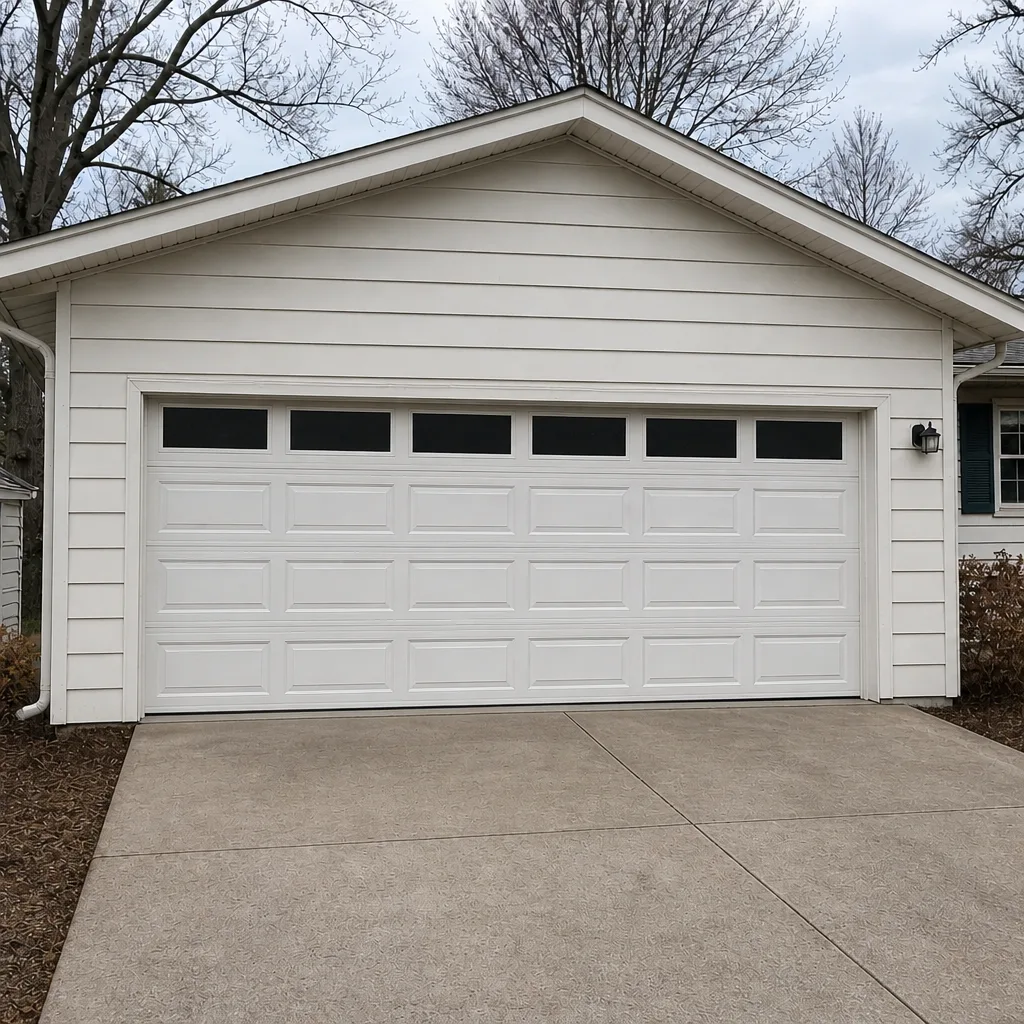
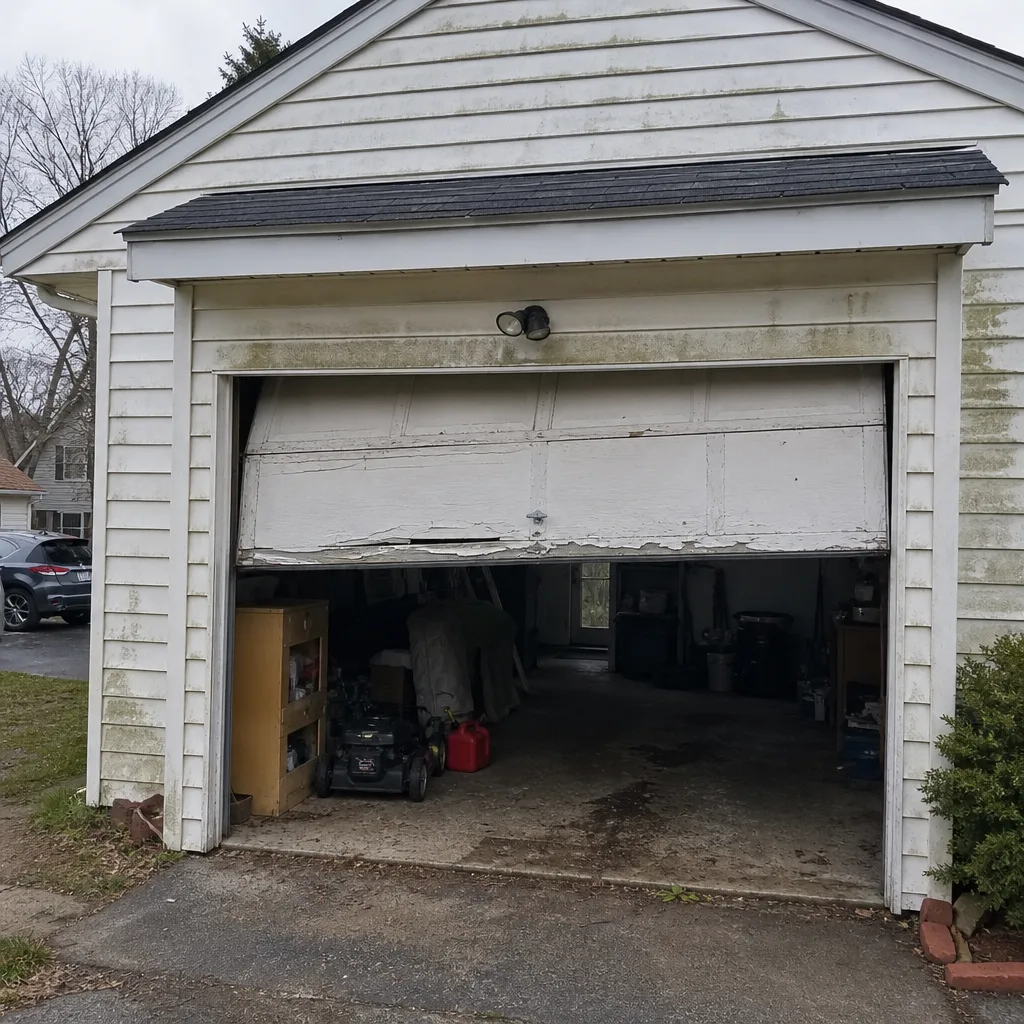
See the difference
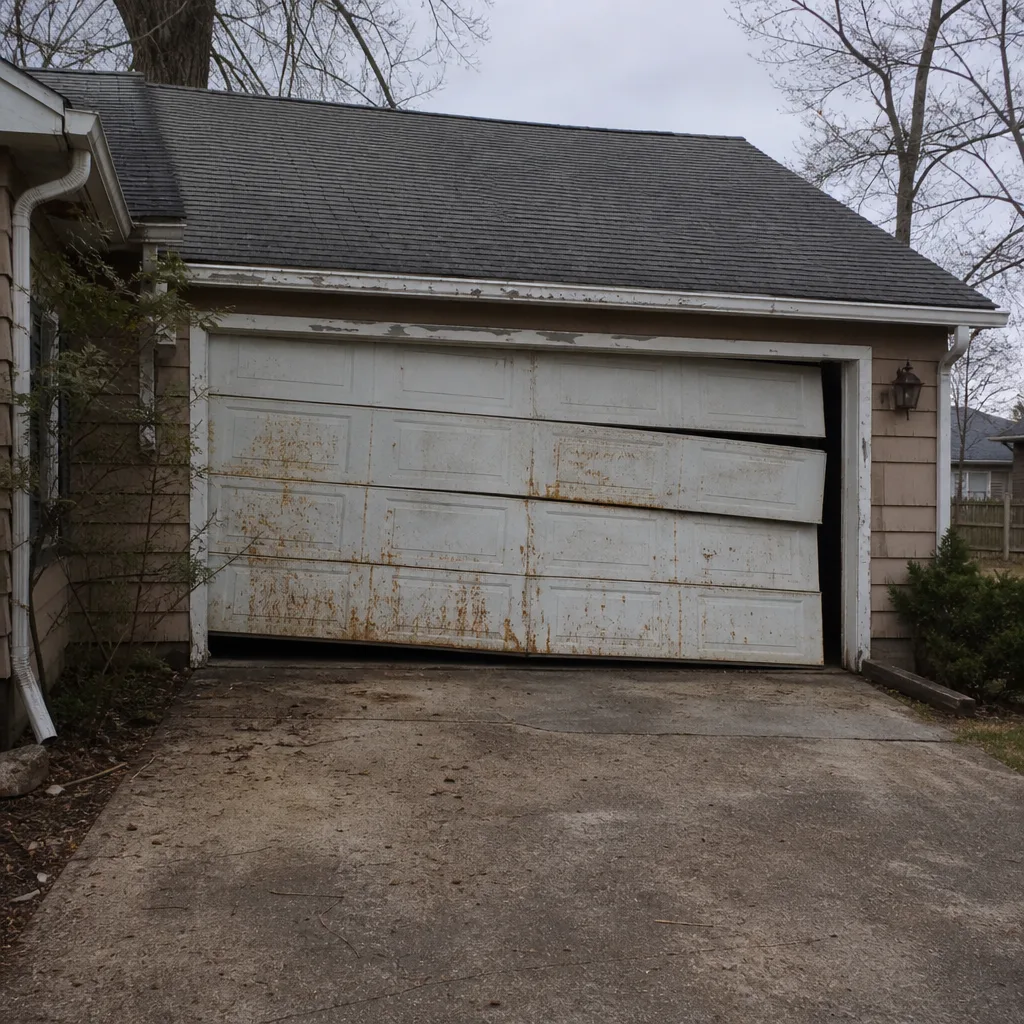 Before
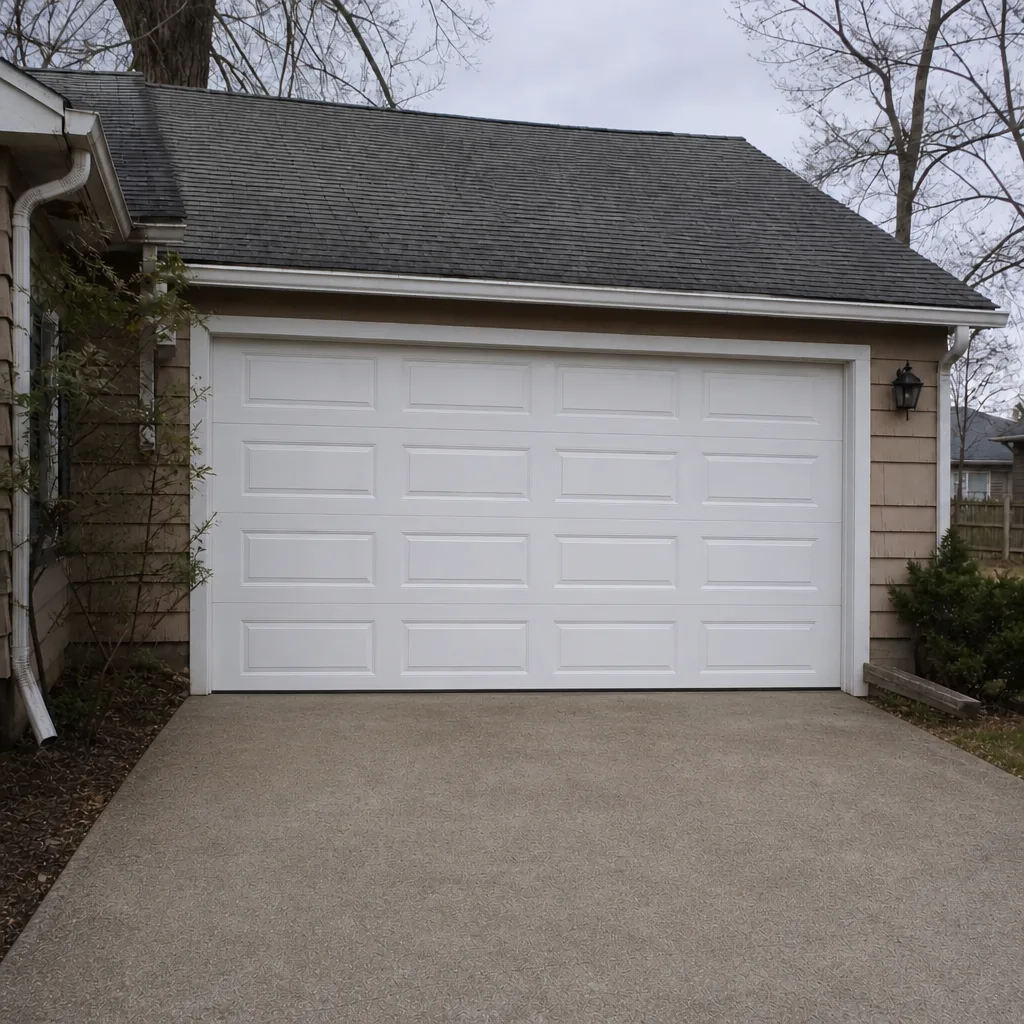 After
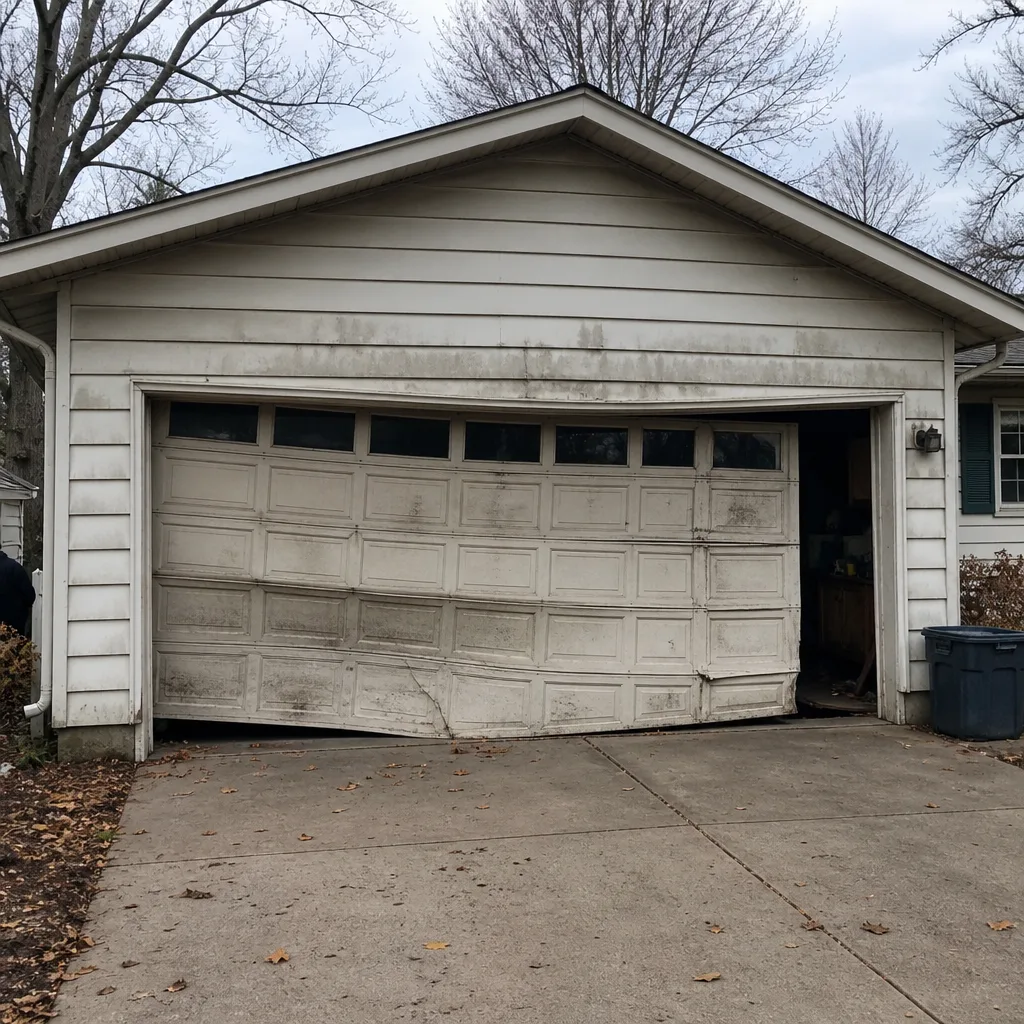 Before
 After
 Before
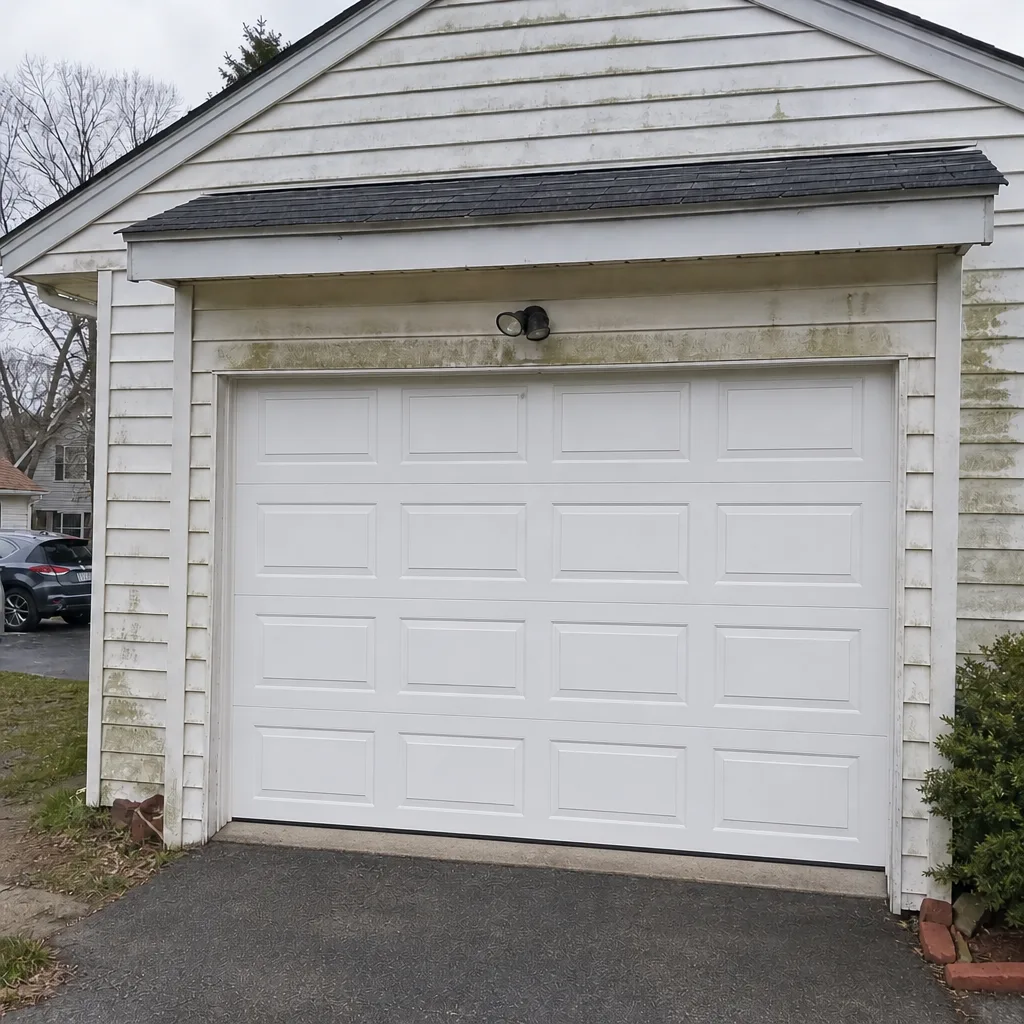 After
When to Call a Professional
Call a specialist when the door is out of balance, when a spring or cable has visibly failed, when the door hangs crooked, or when the opener runs but the door doesn’t. Call the same day when the door is out of service or the garage is unsafe to use. On a nuisance-level symptom like rattling or a single grinding roller, schedule a repair and stop delaying it, because friction compounds. Springfield Garage Door Repair Co offers free estimates in Springfield, and our technicians have up to 14 years of experience diagnosing door systems by symptom and by brand. We’re a garage door specialist, which means the answer you get is from someone who works on LiftMaster, Chamberlain, Genie, Clopay, Amarr, Wayne Dalton, Craftsman, and Raynor systems every week, not somebody fitting doors between plumbing calls. Call (866) 558-6301. We answer 24/7. Fast dispatch from 7am to 7pm, Sunday through Friday.
Frequently Asked Questions
The most serious signs are a broken spring, a slack or frayed cable, and a door hanging crooked or off its tracks. Any of those means stop using the door and call a specialist. Grinding, popping with no lift, and doors that won’t stay at half-height are the other top triggers for a service call. Call (866) 558-6301 for an exact diagnosis, and estimates are free.
No, but loudness that’s new is. A chain-drive opener can be noisy by design, and some doors are just louder than others. What matters is whether the sound has changed, whether it’s grinding rather than humming, and whether the door still moves smoothly and evenly. If you can’t tell, a diagnostic visit settles it.
Cold weather thickens lubricant and stiffens rollers, which raises friction, and ice in the track can obstruct the door. Those symptoms usually clear as the garage warms. A snapping sound followed by a heavy door is different: cold makes brittle springs fail, and that one needs a spring specialist. Call (866) 558-6301 if you’re unsure which one you have.
Disconnect the opener and operate the door by hand. If the door is heavy or won’t stay half-open, the problem is in the door. If it’s light and smooth but the opener still misbehaves, the problem is in the opener. That one test answers the question more reliably than any noise.
No. Torsion and extension springs hold extreme tension, and a released spring can cause serious injury. Winding, unwinding, or cutting springs is a job for a trained garage door specialist. No amount of video instruction makes the stored tension in a residential spring safe to handle without proper tools and training, and it’s why we treat spring work as a specialty.
Same-day emergency service is available for a door that’s out of service, and we answer 24/7. Fast dispatch from 7am to 7pm, Sunday through Friday, with Saturday closed. The estimate is free and the price is quoted and agreed before any work starts. Call (866) 558-6301.
No. The written estimate is the price, and we agree it with you before any work begins. A diagnostic visit sometimes reveals a second issue, but that gets quoted separately and you decide before anything is done. Call (866) 558-6301 for a free estimate.
The local pro we connect you with is licensed and insured as their state requires. Our technicians have up to 14 years of experience working on garage door systems and the major opener brands. You’ll get a written estimate before any repair starts. Call (866) 558-6301.
The Bottom Line
A garage door tells you what’s failing before it fails, and the skill worth building is telling the difference between a maintenance item and an out-of-service condition. A rattle or a single noisy roller is a scheduled fix. A snapped spring, a slack cable, or a crooked door means stop and call. In Springfield, expect cold weather to create some false positives around friction and ice, and treat any snap or sudden heaviness as real. If you’re not sure which category a symptom falls into, get it looked at rather than cycling the door until something bigger breaks. Our team at Springfield Garage Door Repair Co is a garage door specialist, and diagnosing exactly this kind of symptom is what we do.
Ready for a free estimate? Call (866) 558-6301. We answer 24/7. Fast dispatch from 7am to 7pm, Sunday through Friday.
Written by the team at Springfield Garage Door Repair Co.