
Last updated November 21, 2026
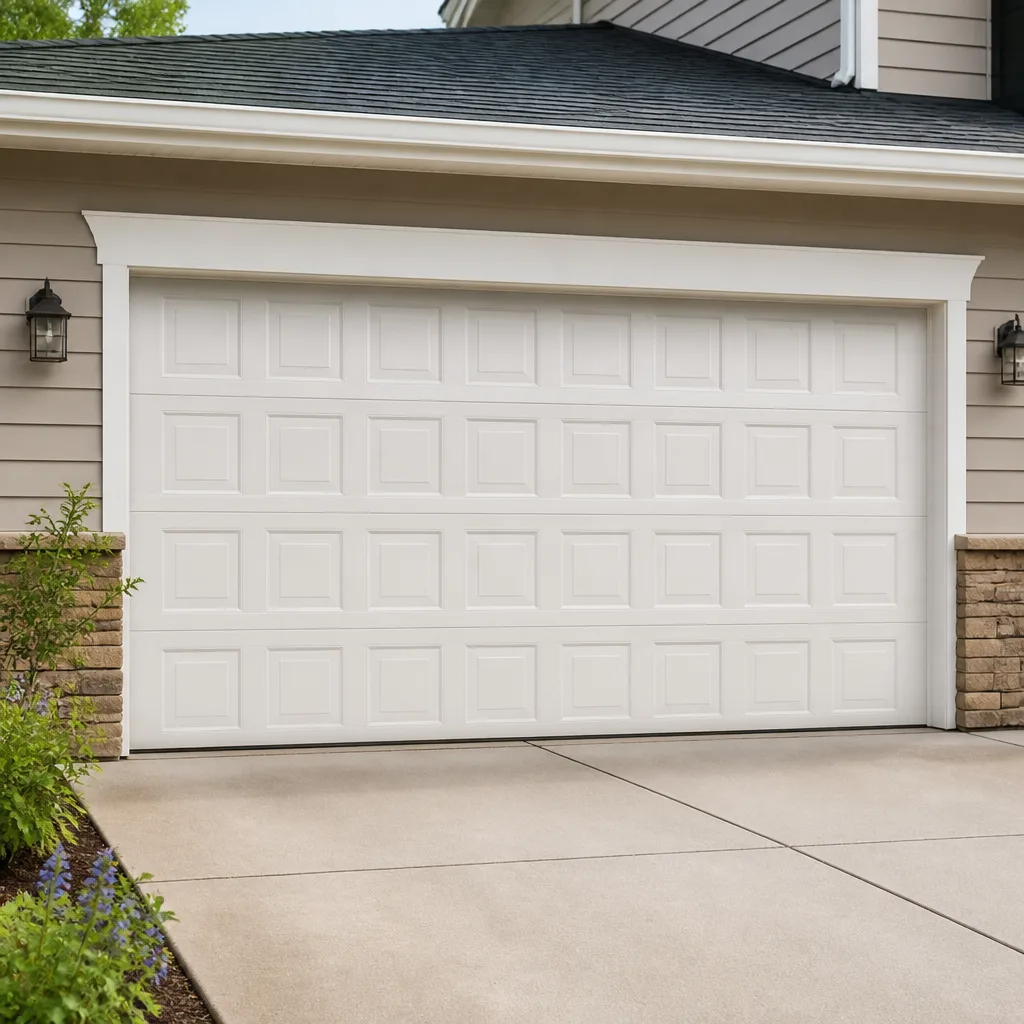 Raised-panel steel
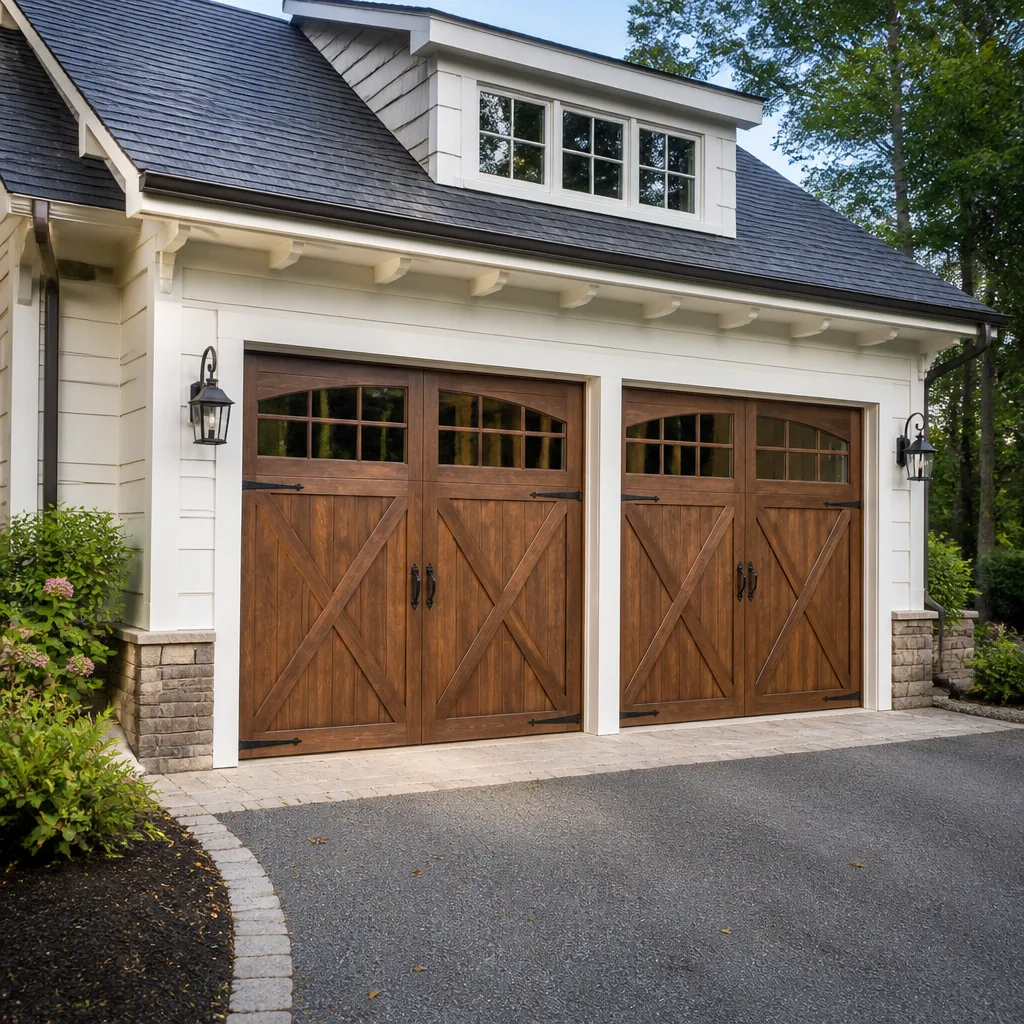 Carriage house
 Modern flush
 Full-view glass
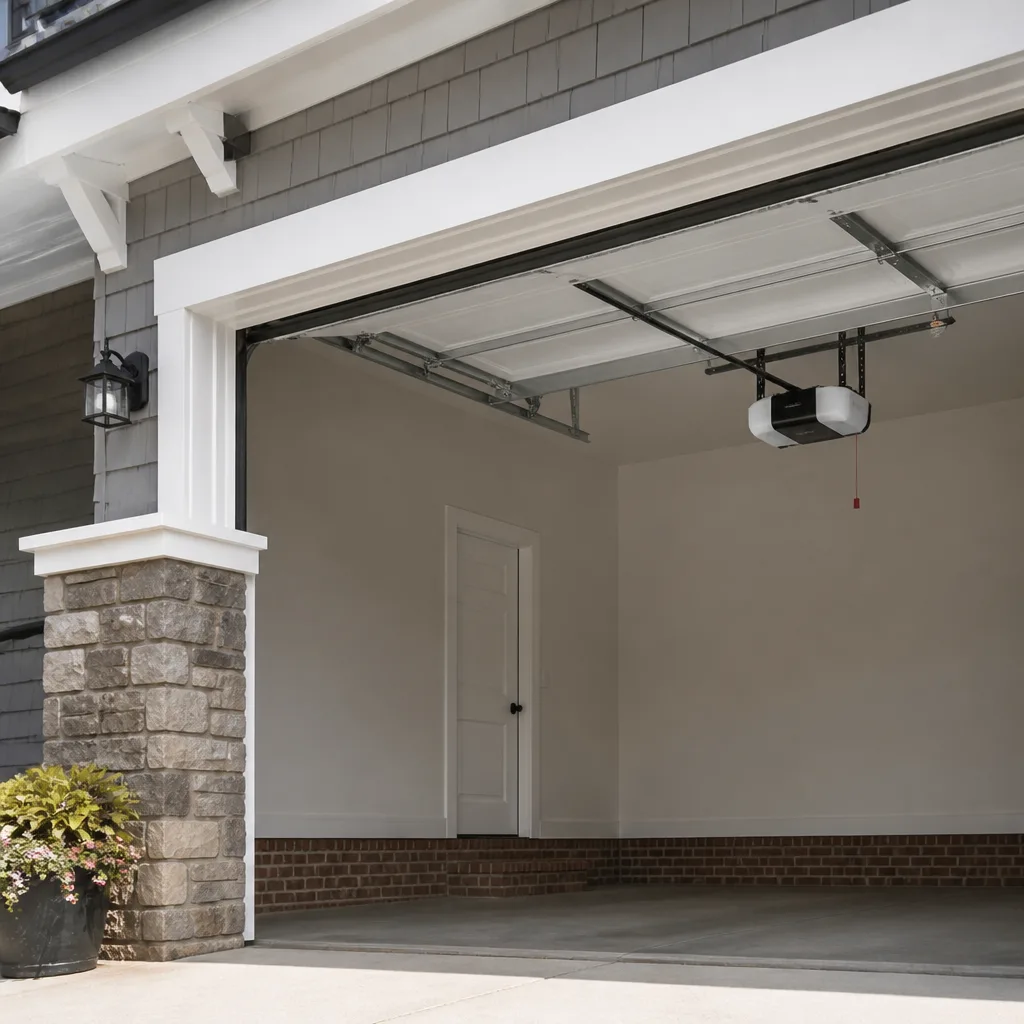 LiftMaster openers
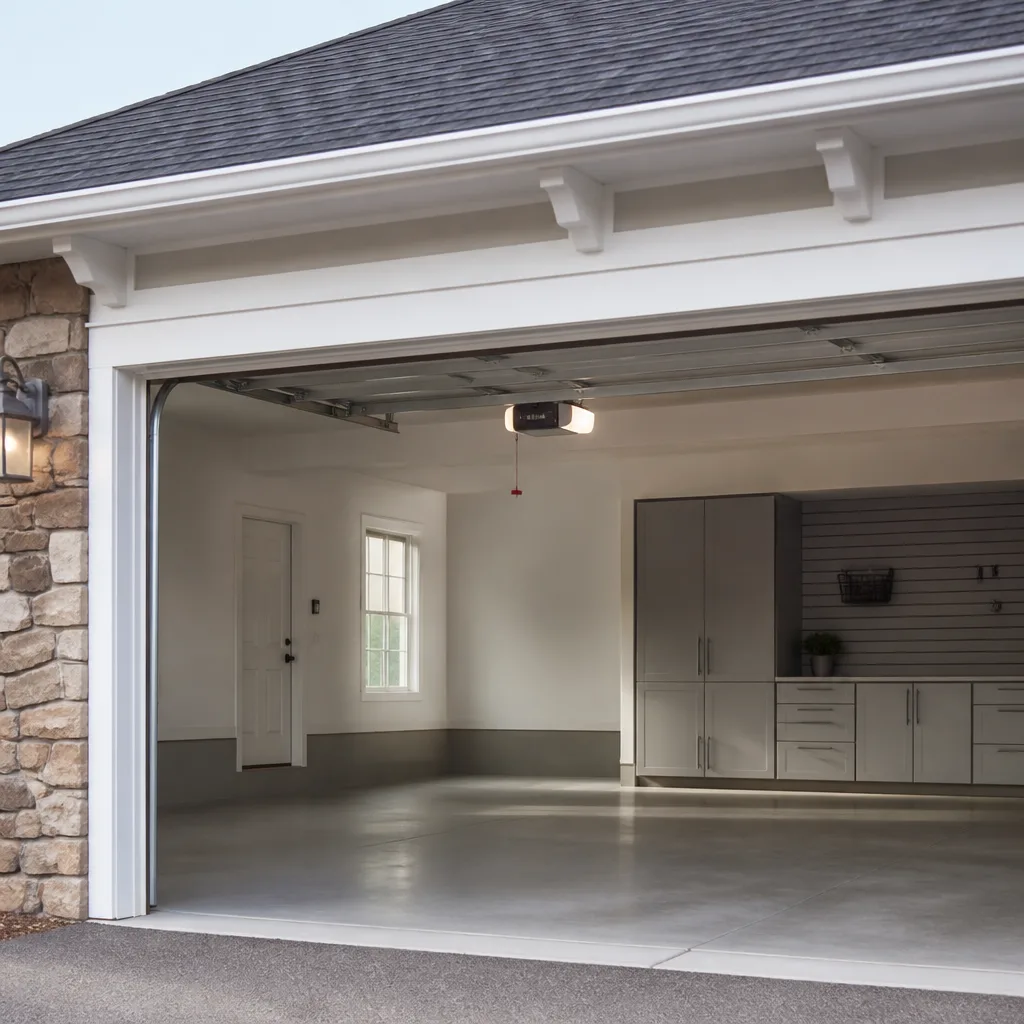 Chamberlain openers
Full 25-point door and opener safety check with every visit - springs, cables, rollers, tracks, and your LiftMaster or Chamberlain opener included
You get a price before we start. It does not change when the pro arrives.
Get your free estimateSeasonal Garage Door Care for Springfield: Year-Round Homeowner’s Guide
The busiest stretch of the year for garage door calls in Springfield isn’t after a blizzard. It’s the first hard freeze of October, when springs that stretched and loosened through a warm summer suddenly contract against cold steel and snap on a door that passed every eyeball test in August. Most homeowners think of their garage door as a machine that either works or doesn’t. In this climate it’s really four machines, one for each season, and each one fails in its own way. This guide walks you through the four failure modes Springfield throws at a door, month by month, so you can catch the warning signs before they become an emergency call.
Quick Answer
Seasonal garage door care in Springfield comes down to four jobs: recalibrate and watch spring tension as temperatures drop in fall, protect seals and tracks through the freeze-thaw cycle in winter, inspect for rust and alignment damage after the thaw in spring, and manage humidity-driven swelling in summer. Each season stresses different parts of the door. Match your checks to the season and you prevent most of the breakdowns that fill repair schedules every year.
Styles & brands we work with
- Raised-panel steel
- Carriage house
- Modern flush
- Full-view glass
- LiftMaster openers
- Chamberlain openers
Table of Contents
- Fall in Springfield: Why October Is the Highest-Risk Month
- Winter: How the Freeze-Thaw Cycle Damages Seals, Wood, and Tracks
- Spring: The Post-Winter Inspection Sequence and the Rust Clock
- Summer: Humidity, Wood Swelling, and Travel Limits
- Your Springfield Garage Door Calendar, Month by Month
- Opener Care Through the Seasons
- Common Mistakes to Avoid
- When to Call a Professional
Fall in Springfield: Why October Is the Highest-Risk Month
Fall is when garage door springs do the most invisible work of the year. Through summer, warm air keeps steel slightly expanded and pliable. As overnight temperatures in Springfield drop toward freezing in October, torsion springs and extension springs contract. A spring that had been carrying tension comfortably all summer can find itself under a very different load in the space of a week or two. That’s the setup for a snap.
The failure usually happens at the worst time: the first genuinely cold morning, when the door is opened after sitting all night in a cold garage. The spring has contracted, the metal is more brittle, and the motor pulls against a load it wasn’t balanced for. This is also why fall is the right time to have spring tension checked and adjusted, not mid-winter once something has already gone wrong. Our garage door spring repair technicians treat tension calibration as a fall task because correcting it after a break is always the harder job.
Fall checklist for Springfield homeowners
- Open and close the door by hand (disconnect the opener first, following the manufacturer’s release instructions) and listen for uneven travel or a door that feels heavy on one side.
- Look at the torsion spring above the door for visible gaps, stretched coils, or a spring that looks longer than its neighbor. A gap in a torsion spring means it has already failed.
- Test the auto-reverse safety feature by placing a roll of paper towels in the door’s path and confirming the door reverses on contact.
- Clear gutters and downspouts so fall rain doesn’t pool against the garage foundation and soak the bottom seal.
- Schedule a professional tension check before the first hard freeze if the door has never been serviced or is more than a few years old.
One safety note before you start: torsion springs and the cables attached to them are under extreme tension. Never attempt to adjust, loosen, or remove a spring or cable yourself. A sudden release can cause serious injury. Leave spring work to a trained technician and stick to visual checks and the manual-release test.
Winter: How the Freeze-Thaw Cycle Damages Seals, Wood, and Tracks
Springfield winters run a repeated freeze-thaw pattern. Days warm enough to melt snow and ice, nights cold enough to refreeze it. That cycle is harder on a garage door than a single deep freeze would be, because it works the same materials back and forth dozens of times over a season. Three parts take the brunt of it: the bottom seal, wood door panels, and the tracks.
The bottom seal
The rubber or vinyl seal at the bottom of the door is your first line of defense against water, cold air, and pests. Freeze-thaw cycles crack and harden it. Once it loses flexibility, it stops sealing, and meltwater gets under the door and onto the garage floor. A stiff, cracked, or torn bottom seal is one of the most common winter problems we see. Replacing it is a quick job compared with the damage water intrusion causes over a season.
Wood door warping
If you have a wood door, winter is when moisture swings show up as warping. Wood absorbs water when the seal fails or snow melts against the panels, then dries and shrinks when the air turns cold and dry. Repeated cycles can bow panels and pull joints apart. A wood door that suddenly binds or rubs in winter is often telling you it has taken on moisture somewhere.
Track misalignment
Frozen ground heaves, and a garage slab can shift slightly with it. That movement, combined with a door that’s expanding and contracting, can push tracks out of alignment. You’ll notice it as a door that scrapes, hesitates, or drifts to one side as it travels. Misaligned tracks wear rollers fast and put uneven load on the opener. Our garage door repair service handles track realignment and bottom seal replacement as standard winter work.
Winter tasks that prevent the worst of it
- Inspect the bottom seal for cracks and replace it before the first deep freeze, not after.
- Keep the area in front of the door clear of snow piles that can freeze against the seal and block the door’s travel.
- Watch for scraping or uneven movement and call for a track check rather than forcing the door.
- Lubricate rollers, hinges, and the torsion shaft with a garage-door-specific lubricant (not a general household oil) as temperatures start to drop.
Spring: The Post-Winter Inspection Sequence and the Rust Clock
Spring in Springfield is the season to find out what winter cost you. The ground thaws, moisture is everywhere, and every part of the door that took a beating over the cold months shows its damage. This is the season for a full inspection, done in a specific order so you don’t miss the problems hiding behind the obvious ones.
The spring inspection sequence
- Start with the bottom seal and the door’s resting position. A door that doesn’t sit flush has a seal or alignment problem that will worsen.
- Check the tracks for rust and misalignment. Look for rust along the vertical and horizontal tracks, and confirm the door runs smoothly and evenly by hand.
- Inspect the rollers and hinges. Worn rollers and dry hinges are the most common cause of a noisy door after winter.
- Examine the torsion springs for rust. Surface rust is the warning sign that matters most this season.
- Test the opener’s balance and safety reverse. Confirm the door is balanced (it should hold roughly halfway open by hand without drifting) and that the safety reverse still works.
- Check the weatherstripping around the door frame, not just the bottom seal. Frame seals crack too.
The rust clock on torsion springs
Rust on a torsion spring after March is the signal to watch. Spring steel is heat-treated and under constant tension, and once rust begins to pit the surface, the metal weakens at exactly the point where a break is most likely. In our experience, a spring showing rust in early spring is on a countdown toward failure, often within a few months. That’s why we treat visible rust on a torsion spring as a reason to plan replacement, not something to monitor indefinitely. Rust doesn’t reverse itself, and the failure, when it comes, is sudden. Catching it in spring gives you the option to schedule the work instead of reacting to a broken door.
Spring is also the season to look at opener performance across the whole house, since it’s the time of year when any weakness that built up over winter shows. Our garage door opener repair team can check balance and travel in the same visit as a spring inspection.
Summer: Humidity, Wood Swelling, and Travel Limits
Springfield summers bring humidity, and humidity does things to a garage door that homeowners rarely connect to the season. Wood doors swell. Panels that fit perfectly in a dry month can bind against the frame when the air is saturated, and a door that suddenly sticks in July is often just telling you the wood has taken on moisture and expanded.
Why swelling matters to your opener
Every opener has a travel limit setting: the point where it stops pushing or pulling the door. That setting was tuned to how the door moved when it was adjusted. When a wood door swells in summer humidity, it resists the opener more, and the opener pushes harder against its travel limit. Do that for a few weeks and you’re working the motor, the gears, and the drive mechanism beyond what they were designed for. That’s how a swelling problem burns out an opener that was perfectly healthy in spring. Modern units from names like LiftMaster and Chamberlain have force-adjustment features, but they still need the underlying door to move freely.
Summer care tasks
- Open and close the door by hand (with the opener released) to check whether it moves freely or binds.
- Look at the gap between the door edge and the frame; if it has closed up since spring, the wood has swollen.
- Watch for a door that reverses unexpectedly, stops mid-travel, or strains at the top of its travel – all signs the opener is fighting the door.
- Keep the garage ventilated during humid stretches to limit moisture buildup on wood panels.
- Have the opener’s travel and force limits rechecked if the door has begun to strain.
Adjusting travel limits is straightforward in principle but easy to get wrong, and a misadjusted limit can damage the door or disable a safety feature. If the door has stopped behaving the way it did in spring, it’s worth having a technician confirm the settings against the door’s actual movement.
Your Springfield Garage Door Calendar, Month by Month
Springfield’s four seasons each ask something different of a garage door. Here’s a practical calendar tied to the seasonal triggers that matter most in this climate, so you’re not guessing when to check what.
- October (first hard freeze risk): The highest-risk month. Have tension checked and adjusted before temperatures drop hard overnight. Inspect springs for gaps, test the auto-reverse, and clear gutters before fall rains.
- November-December: Replace a failing bottom seal before deep winter. Lubricate rollers and hinges with garage-door lubricant. Watch for cold-morning stiffness.
- January-February (deep winter): Watch for freeze-thaw damage to seals, wood door warping, and track misalignment from ground movement. Keep snow from freezing against the door.
- March-April (thaw): Full post-winter inspection, using the sequence above. Check torsion springs for rust; rust here is a short-fuse warning. Check tracks for rust and misalignment.
- May-June: Address any rust found in spring before summer heat. Confirm the opener’s balance and travel against the door’s current movement.
- July-August (humidity): Watch wood doors for swelling and binding. Recheck opener travel limits before heat and humidity stress the motor.
- September: Pre-fall tune-up. Lubricate, inspect, and get ahead of the October risk window.
The logic is simple: the transition months (October and March) are when the biggest changes happen, so they’re when the most important checks should be done. The deep-season months are when damage shows up and when small problems get worse fastest.
Opener Care Through the Seasons
Your opener is asked to do different work in each season, and most of the seasonal damage it suffers comes from the door fighting it, not from the opener itself. In fall, a cold, contracted spring makes the motor work harder. In winter, ice and a stiff seal add resistance. In summer, a swollen wood door creates drag. Across the whole year, the single best thing you can do for an opener is keep the door itself running smoothly.
What to check seasonally
- Balance test each season: with the door released from the opener, open it halfway by hand. A balanced door should hold there without drifting up or down.
- Safety reverse test each season: confirm the door reverses when it meets an obstruction, and that the safety sensors at the bottom of the tracks are aligned and clear.
- Listen for changes: a straining, rattling, or unusually loud opener in any season is a sign the door needs attention.
- Match repairs to the brand: a Craftsman or Genie unit has different logic and adjustment points than a LiftMaster or Chamberlain. Knowing the brand saves guessing, since the diagnosis follows the equipment.
We work on the brand already in your garage, and the seasonal care is the same regardless of brand: keep the door balanced, keep the travel limits honest, and don’t let a seasonal problem turn into a motor replacement. Most opener failures we see are the end result of a door that went out of balance or began to bind and wasn’t caught in time.
Common Mistakes to Avoid
- Waiting until something breaks to think about the seasons. A door that “passed” in August can be a broken spring by October. Seasonal checks catch the contraction issue before it snaps.
- Ignoring rust on torsion springs after winter. Rust on spring steel doesn’t reverse. Treating it as cosmetic is how a plain break turns into a same-day emergency.
- Forcing a stuck door after a freeze. Forcing a frozen or swollen door strains the opener and can bend tracks. Diagnose the resistance first.
- Adjusting opener travel limits without checking the door itself. If the door is binding from swelling, adjusting the limit just masks the problem and stresses the motor.
- Skipping the bottom seal in fall. A cheap seal replacement in fall is far less trouble than the water intrusion and warp a failed seal causes through winter.
- Attempting spring work yourself. Torsion springs are under extreme tension. This is one repair that belongs with a trained specialist, no exceptions.
- Not clearing snow and ice away from the door’s path. Piles that freeze against the seal block travel and crack the seal when the door opens. Keep the threshold clear through the winter.
When to Call a Professional
Some seasonal tasks are yours: visual checks, the manual-release balance test, lubricating rollers and hinges, and keeping the threshold clear. Others should go straight to a specialist. Call a professional if a torsion spring shows rust or a gap, if the door binds or drifts to one side, if a track looks bent or misaligned, if the opener strains or reverses unexpectedly, or if a seal has cracked or torn. Any work on springs or cables is a job for trained hands.
At Springfield Garage Door Repair Co, we’re a garage door specialist and nothing else. Our technicians have up to 14 years of experience, and spring repair is a specialty we take seriously, because a broken spring is one of the most mechanically dangerous repairs in a home. Springfield Garage Door Repair Co offers free estimates in Springfield: call (866) 558-6301. We answer 24/7. Fast dispatch from 7am to 7pm, Sunday through Friday. If you need a same-day repair, we can help, and the price is set by a written estimate before any work starts.
See the difference
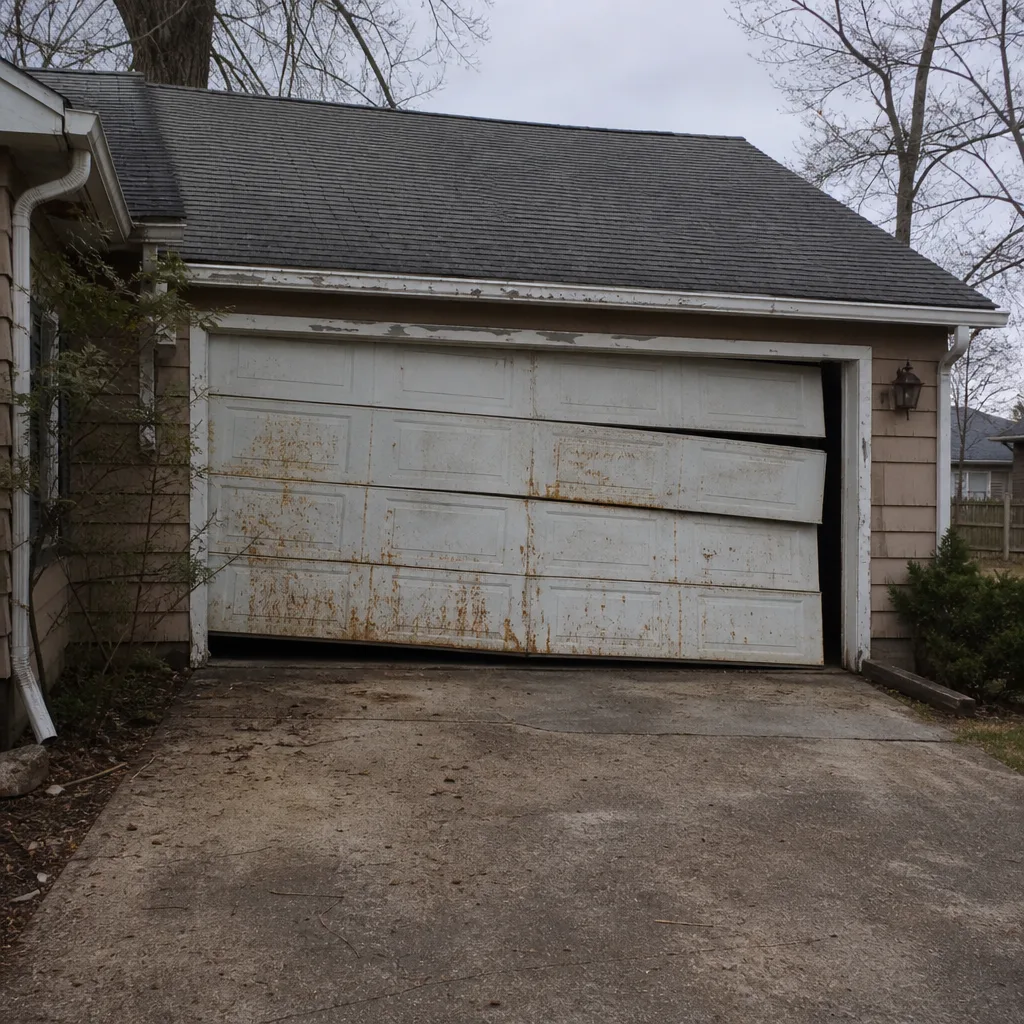 Before
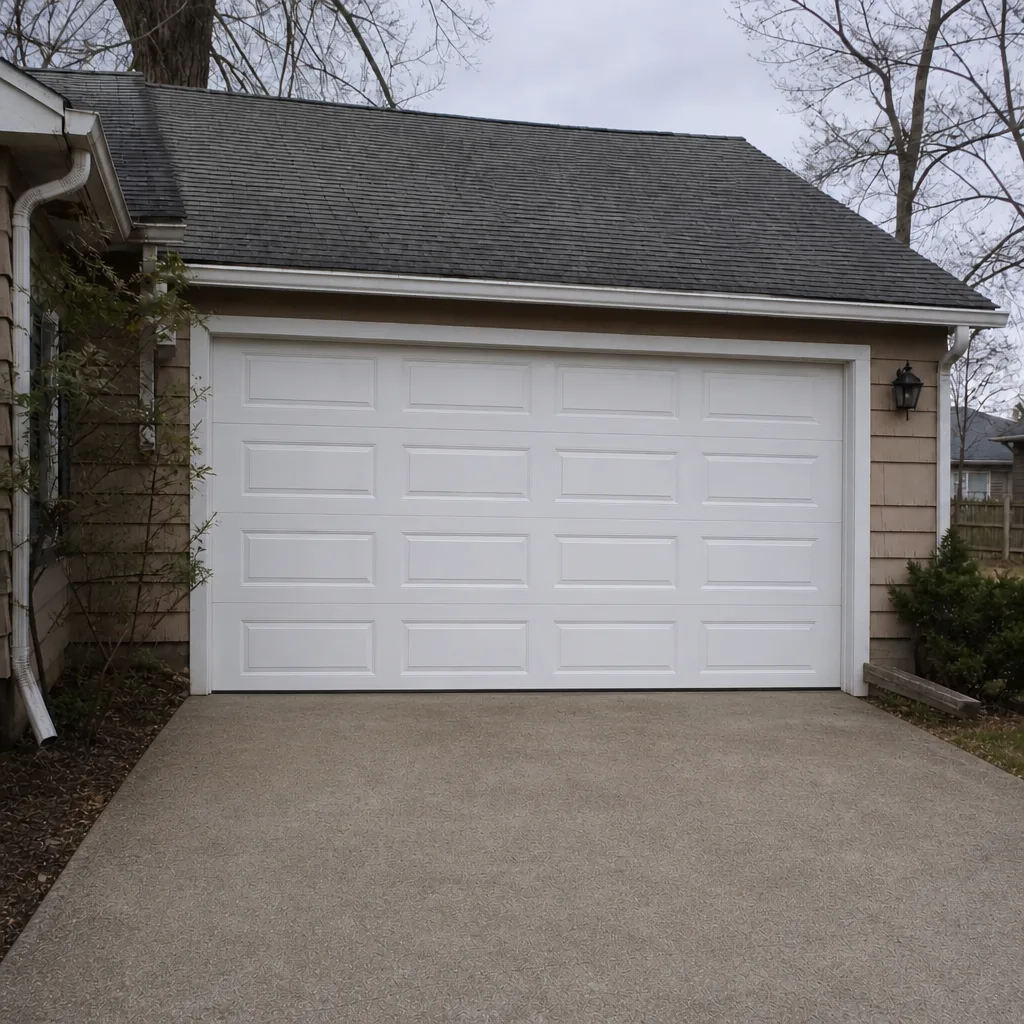 After
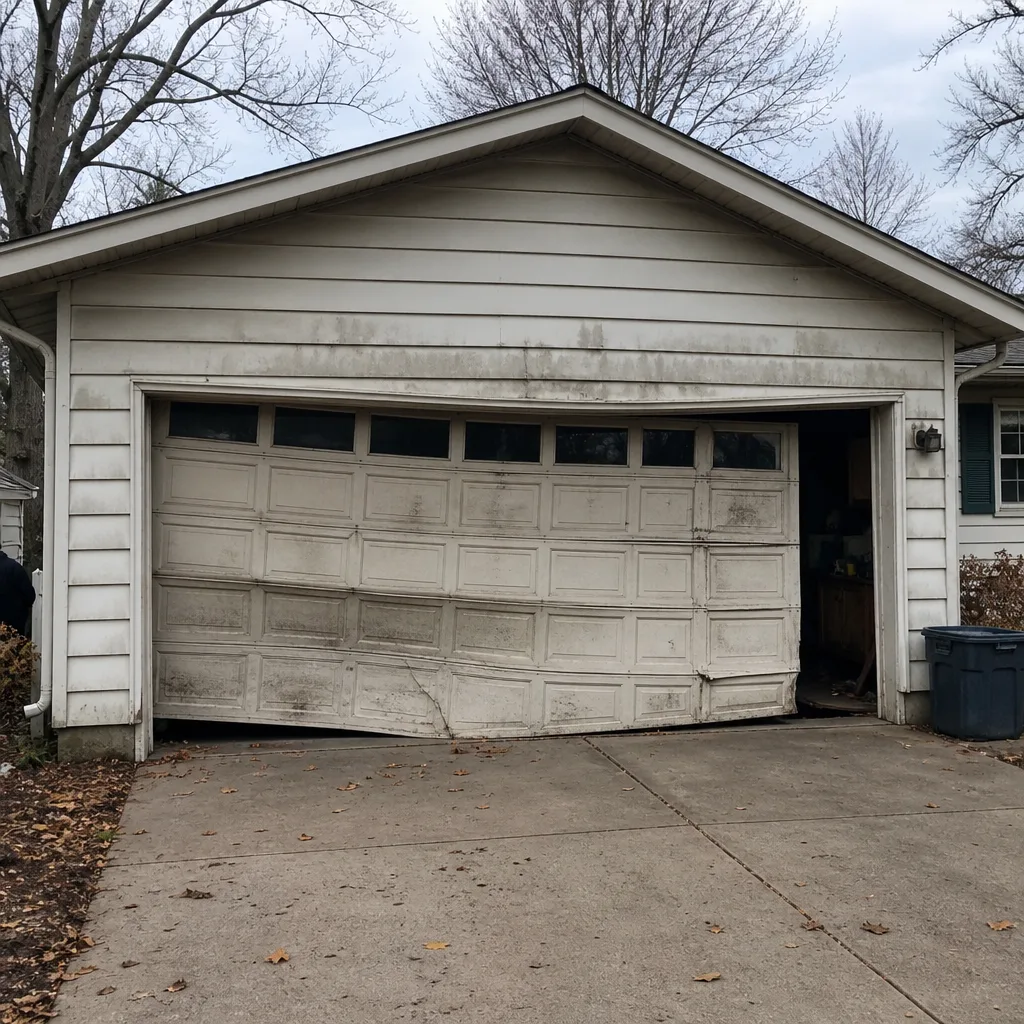 Before
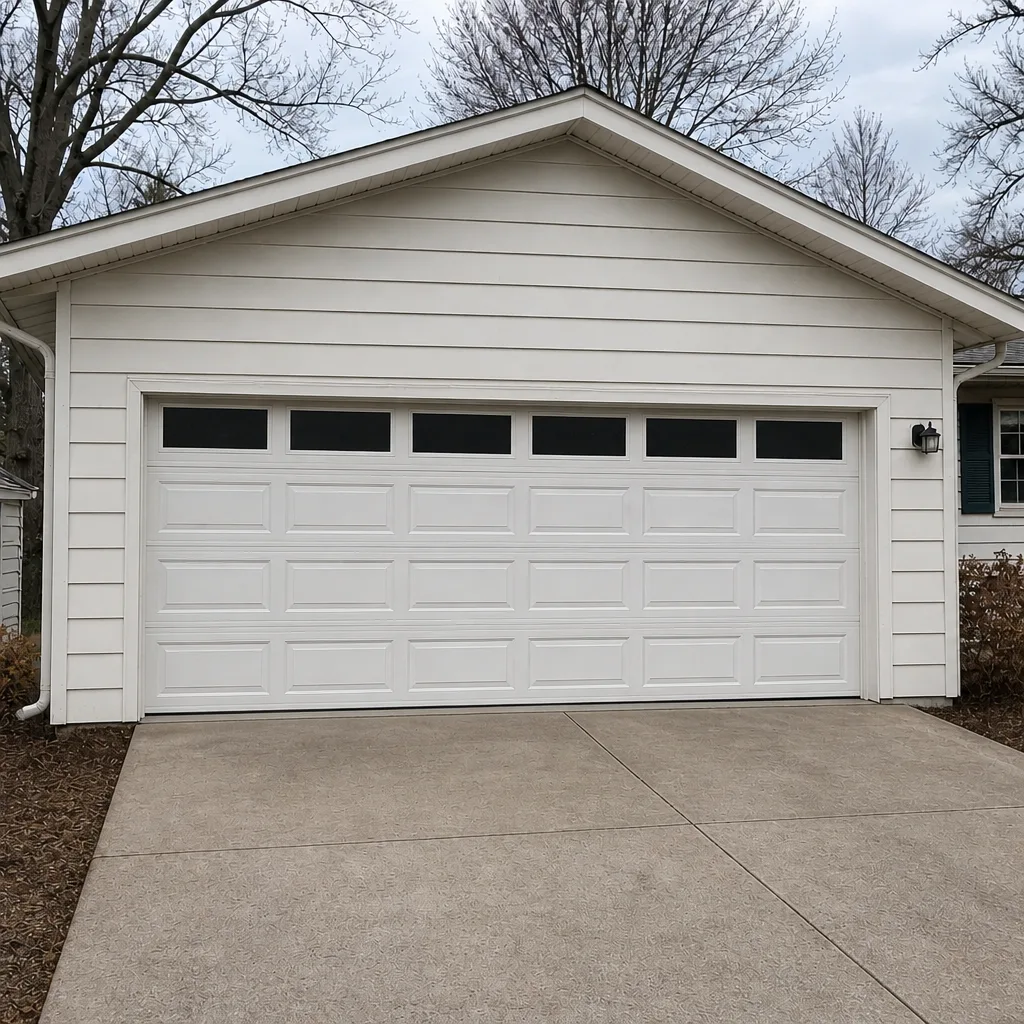 After
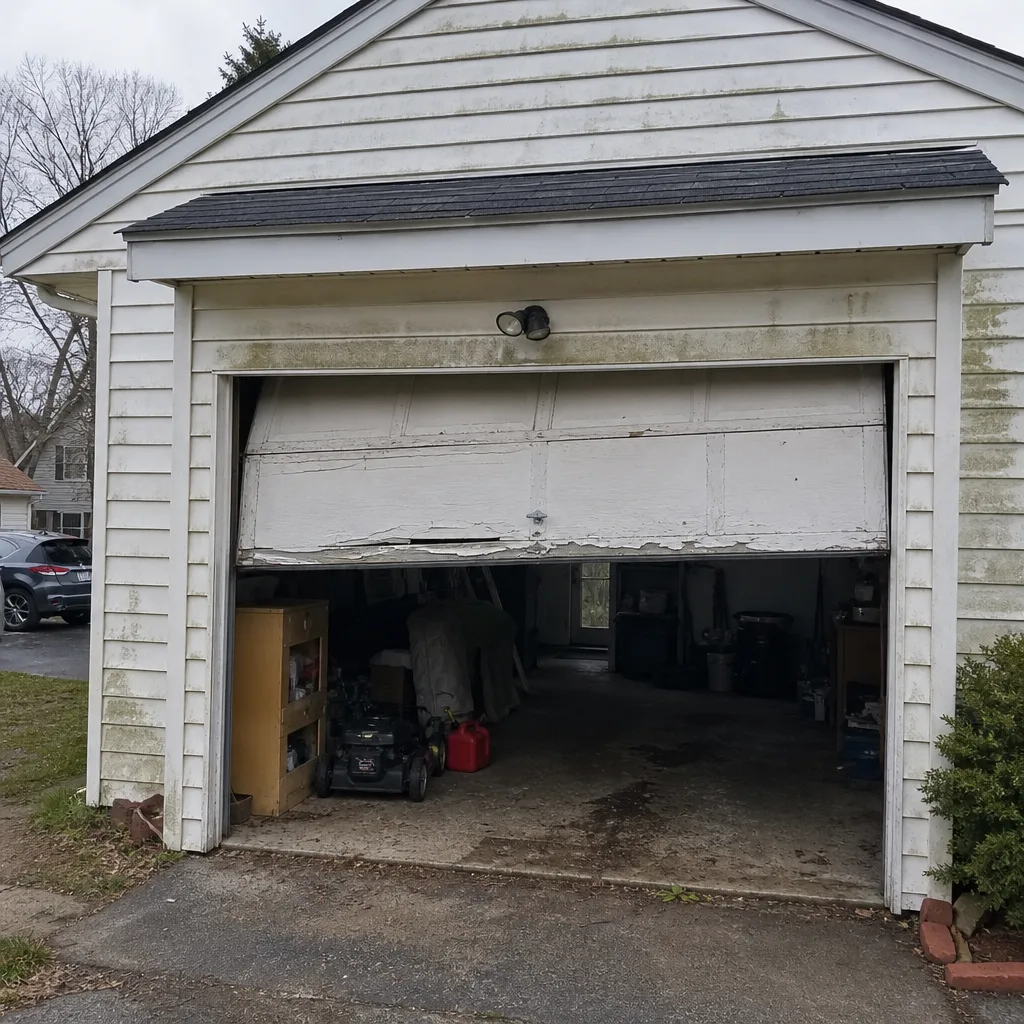 Before
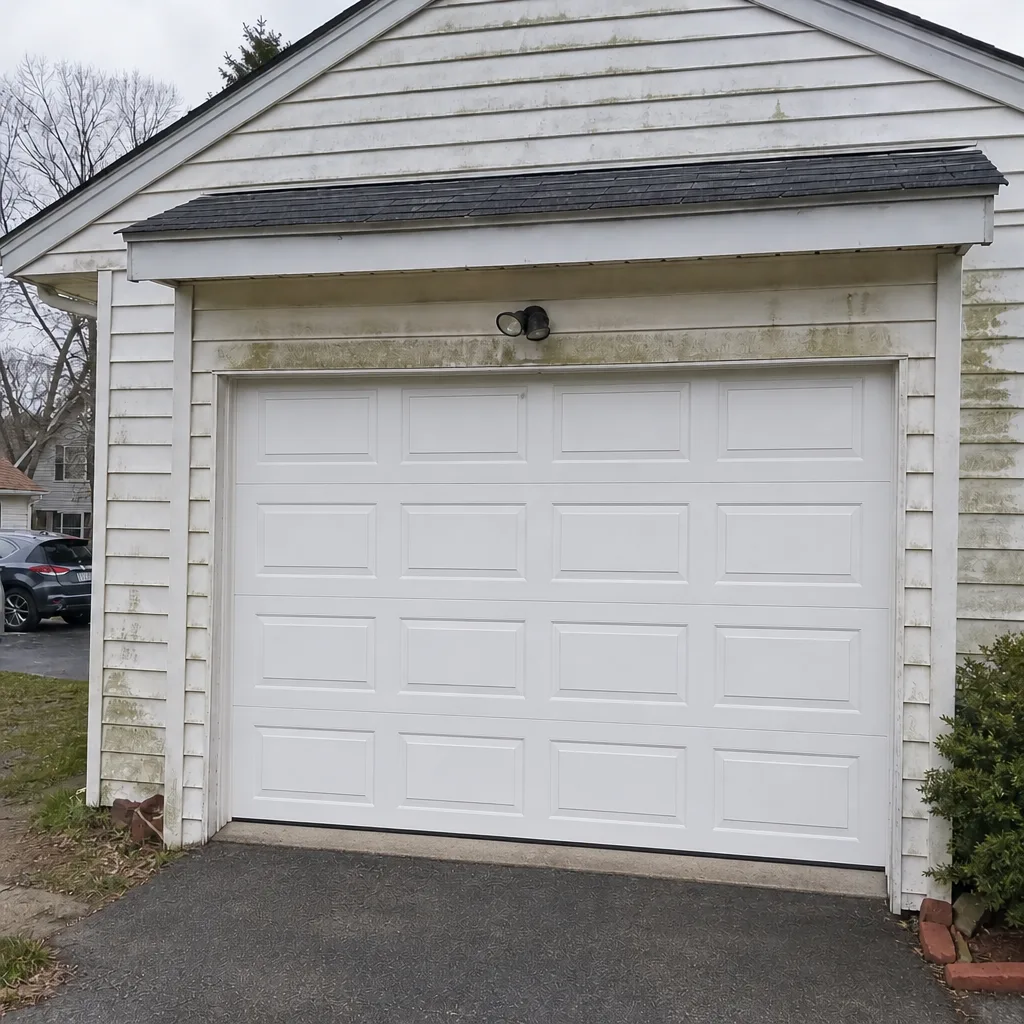 After
Frequently Asked Questions
Checking and adjusting spring tension in October is the single most important task. Fall’s dropping temperatures contract the springs, and a spring that was fine in August can fail on the first cold morning. Have the tension checked before the first hard freeze each year.
Cold air causes spring steel to contract and become more brittle, while the door’s other parts may not shrink at the same rate. That mismatch puts extra load on the spring at the same time the metal is less able to handle it. The result is a higher rate of breaks on the first cold mornings of the season.
Run your hand along the bottom seal (away from any pinch points) and look for cracks, stiffness, or tears. A seal that has lost its flexibility is done, and it won’t keep out water or cold. Replacing it in fall prevents water intrusion and the panel damage that follows.
Rust on a torsion spring means the protective coating has failed and the steel is pitting, which weakens it at the point of highest tension. In our experience, a rusted spring seen in spring is likely to fail within a few months. It’s a reason to schedule replacement, not something to watch indefinitely.
Very likely, yes. Wood absorbs moisture in humid weather and swells, which can make panels bind against the frame. Have the opener’s travel limits checked against the door’s actual movement so the motor isn’t fighting the swelling.
No. Torsion springs and the cables attached to them are under extreme tension and can release with enough force to cause serious injury. Season checks and lubrication are yours to do; spring adjustment and replacement should always go to a trained technician.
The Bottom Line
Springfield’s four seasons each stress a garage door differently, and each one has a specific failure mode you can catch early. October’s temperature drop contracts springs and sets up breaks. Winter’s freeze-thaw cycle damages seals, warps wood, and pushes tracks out of line. Spring is the season to find rust and misalignment before they become failures. Summer humidity swells wood doors and stresses the opener if travel limits aren’t checked. Match your inspection schedule to the calendar above and most of the emergency calls homeowners make this time of year never have to happen. When something does need a professional, call (866) 558-6301 for a free estimate. We answer 24/7, with fast dispatch from 7am to 7pm, Sunday through Friday.
Written by the team at Springfield Garage Door Repair Co.